Wholesale Second Hand Clothes Germany: A Practical Overview
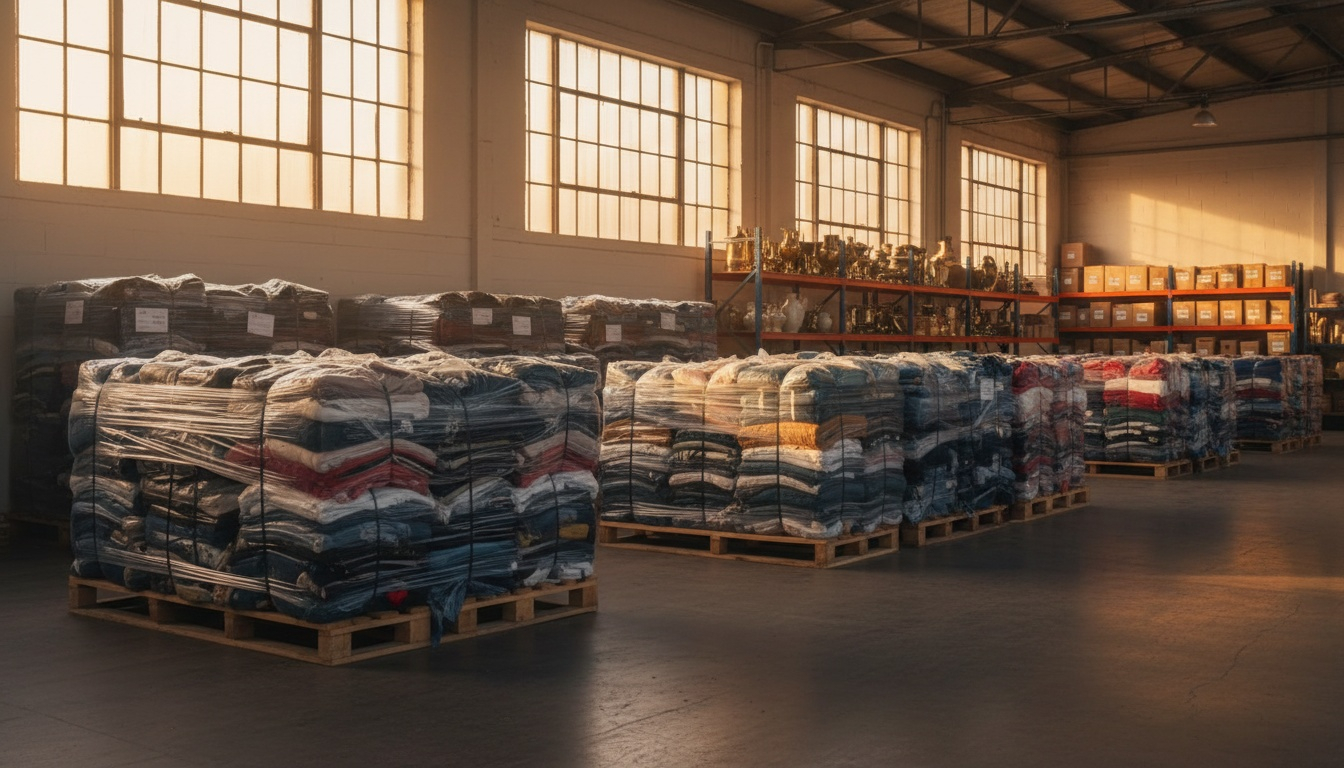
Sourcing wholesale second-hand clothes for the German market can be a rewarding venture, yet it requires a nuanced understanding of the trade. As a buyer focused on bulk lots, container shipments, and bale grades, you need to balance quality, pricing, and logistics to secure worthwhile margins. With over 15 years in the business, UK Used Clothes has honed the art of supplying high-quality second-hand clothing from affluent UK communities to European markets, including Germany. This guide will walk you through the essential aspects of purchasing wholesale second-hand clothes specifically for Germany, ensuring you make informed decisions every step of the way.
Table of Contents
- Understanding the German Market
- Pricing Dynamics in Wholesale
- Bale Weights and Their Importance
- Ensuring Stock Quality
- Logistics and Container Loads
- Maximising Margins
Key Takeaways
| Aspect | Insight |
|---|---|
| Market Understanding | Know your audience and their preferences. |
| Pricing Dynamics | Consider factors like grade and volume. |
| Bale Weights | Influence on shipping and handling costs. |
| Stock Quality | Directly impacts resale value. |
Understanding the German Market
The German market for second-hand clothes is robust, driven by a combination of eco-conscious consumerism and a strong demand for affordable fashion. As a wholesale buyer, it's crucial to understand regional preferences. For instance, urban areas like Berlin have a high demand for vintage and retro styles, while suburban regions might prefer more practical and durable clothing options. Tailoring your stock to these nuances can enhance your sales potential.
Furthermore, Germany's stringent quality standards mean that buyers must ensure their stock meets both aesthetic and functional criteria. It’s not just about sourcing any second-hand clothes, but those that resonate with German buyers. Industry insight: Familiarise yourself with local trends and consumer expectations to stay ahead.
Pricing Dynamics in Wholesale
Pricing in the wholesale second-hand clothing sector is influenced by various factors including grade, weight, and supply chain variables. In Germany, competitive pricing is essential, but it should not come at the expense of quality. High-grade bales tend to fetch better prices and offer higher margins upon resale. It's beneficial to strike a balance between cost and quality by understanding the tier system in second-hand clothing, ranging from A-grade to C-grade items.
Negotiating terms with suppliers is also a standard practice. Ensure that your pricing reflects the logistics involved, from warehousing to transportation. Buyer's note: Always consider the total cost, including shipping, to maintain healthy profit margins.
Bale Weights and Their Importance
Bale weight is a critical component of logistics in the wholesale trade. It affects not only the shipping costs but also the handling and storage requirements. Typically, bales range from 45 kg to 400 kg, each serving different purposes based on the buyer's needs. Smaller bales might be easier to handle, reducing labour costs, while larger bales might offer better economies of scale.
Understanding the optimal bale weight for your needs can reduce unnecessary expenses and optimise your supply chain. This is particularly important when planning container loads for shipment to Germany. Pro tip: Calculate your shipping costs per kilogram to identify the most cost-effective bale weight for your operations.
Ensuring Stock Quality
Stock quality is paramount in the second-hand clothing business. High-quality stock not only fetches better prices but also enhances your reputation as a reliable supplier. When sourcing for the German market, it’s essential to ensure that clothes are clean, free of damage, and suitable for the target demographic. Quality checks should be a routine part of your procurement process.
Working with established suppliers like UK Used Clothes, who have a reputation for quality, can give you an edge in maintaining high standards. Quick win: Regularly audit your suppliers to ensure consistency in stock quality.
Logistics and Container Loads
Efficient logistics are crucial when dealing with wholesale second-hand clothing. Container loads should be optimised to accommodate the maximum amount of stock without compromising on the quality of goods during transit. In the case of shipping to Germany, understanding the logistics of customs and freight regulations is essential to avoid delays and additional costs.
Choose reliable shipping partners who are familiar with the routes and regulations between the UK and Germany. This not only ensures timely delivery but also reduces the risk of goods being held up at customs. Watch out: Always factor in potential delays in your delivery schedule to manage buyer expectations effectively.
Maximising Margins
Maximising margins in the second-hand clothing wholesale business involves strategic sourcing and efficient operations. Buying in bulk, optimising bale weights, and securing favourable shipping terms are all ways to enhance profitability. Additionally, offering a diverse range of products, such as bric-a-brac and soft toys, can open up new revenue streams.
UK Used Clothes provides a variety of categories to choose from, allowing you to expand your offerings seamlessly. By keeping a close eye on operational costs and continuously seeking ways to streamline processes, you can ensure a healthier bottom line. Worth knowing: Diversifying your stock can lead to higher margins by catering to different market segments.
FAQ
What are the key considerations when sourcing wholesale second-hand clothes for Germany?
Understanding the local market preferences, ensuring high stock quality, and efficient logistics are crucial when sourcing for Germany.
How do bale weights affect my wholesale operations?
Bale weights influence shipping and handling costs, so choosing the right weight can optimise your supply chain and reduce expenses.
Why is stock quality important in the German market?
Germany has high standards for quality. Ensuring top-quality stock increases resale value and strengthens your reputation.
How can I improve my margins in this business?
Maximise margins by buying in bulk, optimising logistics, and diversifying your product range to include items like bric-a-brac and toys.