Second Hand Brand Clothes Wholesale: A Cost Analysis
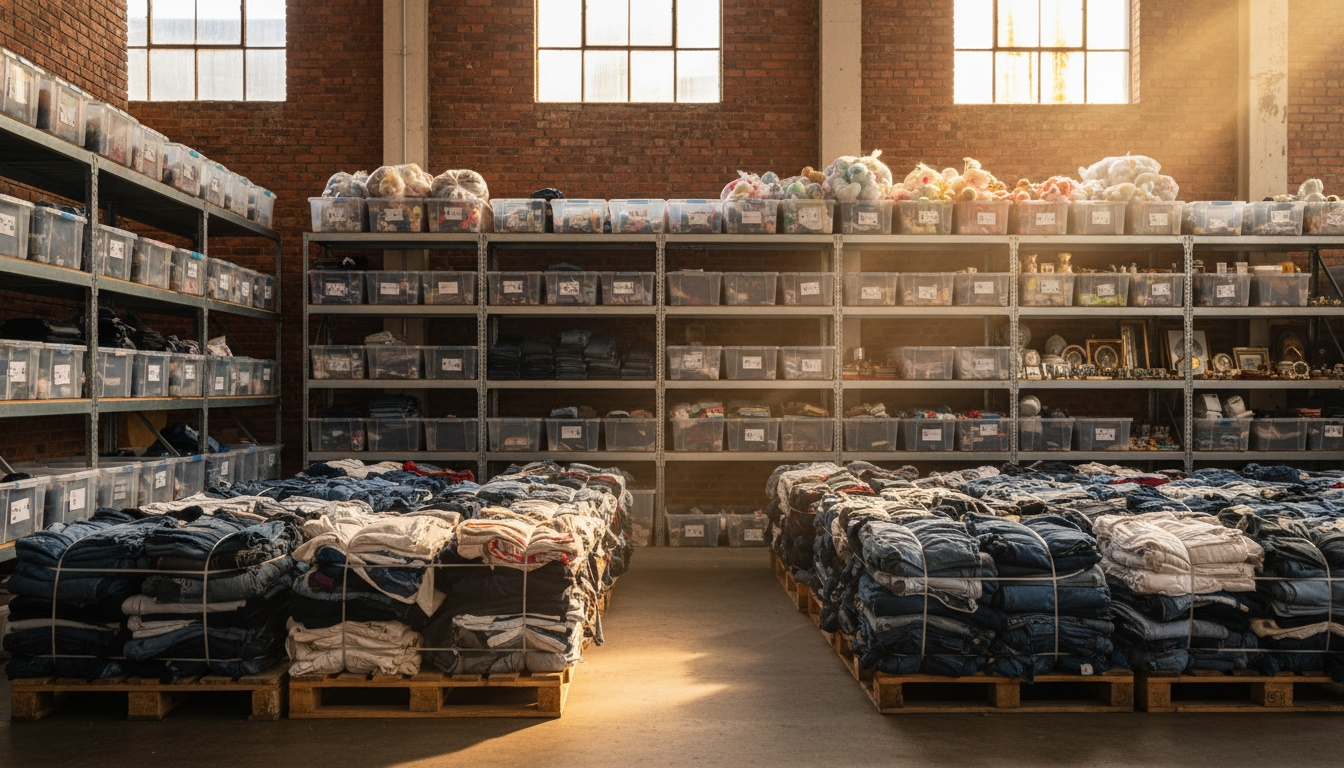
In the evolving landscape of second-hand goods, wholesale trade in branded clothing has emerged as a lucrative avenue for businesses across Europe. With the demand for sustainable fashion on the rise, businesses are turning to second-hand brand clothes wholesale to meet market needs while maintaining healthy profit margins. Understanding the cost dynamics involved in this trade can help businesses optimise their sourcing strategies, manage logistics effectively, and boost their bottom lines. Whether you're a seasoned player or new to the industry, gaining insights into cost structures and operational efficiencies is crucial to navigating the world of second-hand clothing wholesale successfully.
Table of Contents
- Understanding Bale Weight and Its Impact
- The Importance of Sourcing Locations
- Evaluating Stock Quality for Better Returns
- Incorporating Household Goods and Bric-a-Brac
- Logistics and Loading Efficiency
- Maximising Margins in Second-Hand Wholesale
Key Takeaways
| Aspect | Key Insight |
|---|---|
| Bale Weight | Impacts shipping costs and handling logistics. |
| Sourcing | Stable, affluent communities yield better quality stock. |
| Stock Quality | Crucial for customer satisfaction and repeat business. |
| Logistics | Efficient loading reduces time and cost. |
Understanding Bale Weight and Its Impact
In the world of second-hand brand clothes wholesale, bale weight is a fundamental aspect that affects not only the logistics but also the cost structure of your business. Bales typically range from 45 kg to 500 kg, depending on the type of clothing and the intended market. Lighter bales might be easier to handle and ship, but they often contain higher-grade items intended for premium retail. Heavier bales, on the other hand, are typically more economical on a per-kilo basis and are suited for markets where cost efficiency is a priority.
Balancing between various bale weights is crucial. For instance, a lighter bale might incur higher per-piece costs but could yield higher margins if the contents are of exceptional quality. Conversely, heavier bales can reduce shipping costs due to lower weight-to-volume ratios, but they might require more intensive sorting processes. Therefore, understanding the implications of bale weight on your shipping and handling logistics is key to optimizing your overall expenditure.
Pro tip: Assess your market needs and choose bale weights that align with your logistical capabilities and customer demands.The Importance of Sourcing Locations
Sourcing is a critical component of second-hand brand clothes wholesale. The quality and variety of clothing you receive are heavily influenced by the location from which you source. Areas in stable, affluent communities, such as those in Greater London, often yield premium-quality items that can command higher resale values. This is particularly important when dealing with branded clothing, where the condition and authenticity significantly impact your margins.
Choosing the right sourcing partner is essential. A reliable supplier with a strong track record in sourcing from affluent areas can provide consistent quality, thereby minimizing the risks associated with stock inconsistencies. Additionally, suppliers located near major transportation hubs, like our warehouse in West Drayton, can offer logistical advantages, reducing shipping times and costs.
Buyer's note: Always verify the sourcing credentials of your supplier to ensure the quality and authenticity of your stock.Evaluating Stock Quality for Better Returns
Stock quality is paramount in the second-hand brand clothes wholesale business. High-quality stock not only enhances customer satisfaction but also increases the likelihood of repeat business. Evaluating stock quality involves a thorough inspection process, ensuring that items are free from defects, stains, and excessive wear.
Grading your stock into categories such as A, B, and C grades can help in strategizing your sales approach. A-grade items, often branded and in excellent condition, can be sold at higher prices, while B and C-grade items can be bundled for cost-conscious markets. Regularly reviewing your stock quality processes and aligning them with market demands can significantly boost your profitability.
Industry insight: Implement a robust quality control system to maintain high standards and build trust with your buyers.Incorporating Household Goods and Bric-a-Brac
While clothing is the primary focus, diversifying your stock with household goods and bric-a-brac can enhance your business's appeal and profitability. These items often complement clothing sales and attract a wider range of buyers. From kitchenware to decorative items, the inclusion of bric-a-brac can create additional revenue streams and mitigate the risks associated with relying solely on clothing sales.
Our bric-a-brac collection offers a diverse range of items that can be incorporated into your existing inventory. These products are sourced with the same attention to quality as our clothing, ensuring that they meet the expectations of discerning buyers.
Quick win: Consider bundling bric-a-brac with clothing lots to offer unique packages that attract diverse customer segments.Logistics and Loading Efficiency
Efficient logistics and loading operations are essential to the success of a second-hand brand clothes wholesale business. Streamlining these processes can reduce costs, improve turnaround times, and enhance customer satisfaction. Key factors include the strategic placement of warehouses, efficient loading techniques, and the use of technology to track and manage shipments.
Our warehouse in West Drayton is strategically located to facilitate quick and cost-effective distribution across Europe. By optimizing loading patterns and using the latest logistical technologies, businesses can ensure that their goods reach their destination promptly and in excellent condition.
Watch out: Regularly review your logistics processes to identify and eliminate inefficiencies that could impact your profitability.Maximising Margins in Second-Hand Wholesale
Maximising margins is the ultimate goal for any business involved in second-hand brand clothes wholesale. Achieving this requires a comprehensive understanding of your cost structure, including sourcing, logistics, and stock management. Regularly reviewing these costs and finding areas for improvement can lead to significant savings and improved profitability.
Additionally, leveraging market trends and consumer preferences can boost sales and margins. For instance, the growing demand for sustainable and ethical fashion presents an opportunity to market high-quality second-hand branded clothing at competitive prices. Engaging with your supply chain partners and staying informed about industry developments can provide the insights needed to adapt and thrive in this dynamic market.
Worth knowing: Continuously explore new markets and adjust your strategies to capitalize on emerging opportunities in the second-hand sector.FAQ
What is the typical weight of a bale in second-hand clothes wholesale?
Bale weights can range from 45 kg to 500 kg, depending on the type of clothing and the intended market. It's important to choose the right weight based on your logistical capabilities and market needs.
How can I ensure high stock quality?
Implement a robust quality control system and work with reputable suppliers who source from affluent communities. Regular inspections and grading can help maintain high standards.
Why should I consider adding bric-a-brac to my inventory?
Incorporating bric-a-brac can diversify your offerings, attract a wider range of buyers, and create additional revenue streams alongside clothing sales.
What are the benefits of a well-placed warehouse?
A strategically located warehouse, like ours in West Drayton, facilitates quick distribution, reduces shipping costs, and improves logistical efficiency.