Second Hand Clothes Wholesale China: What to Expect
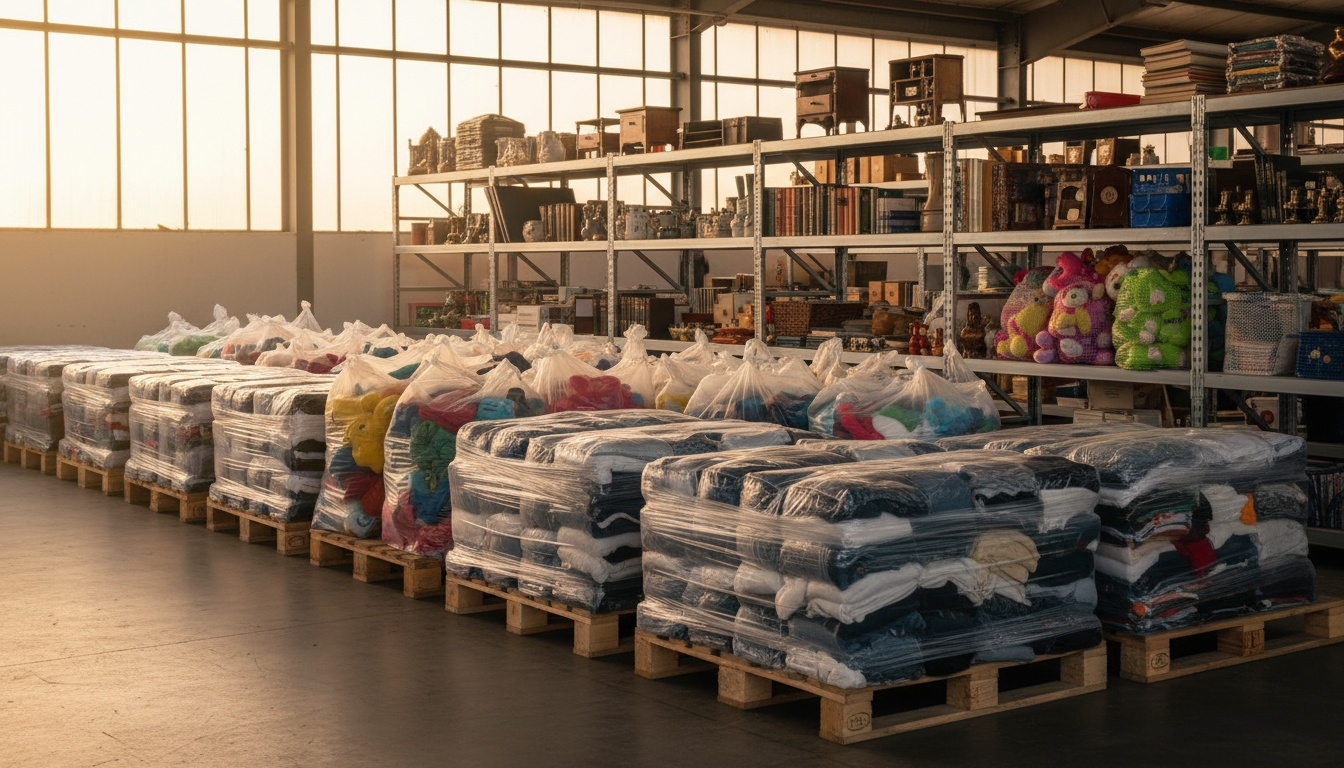
In the world of wholesale trade, navigating the landscape of second-hand clothes sourcing can be a complex endeavour, especially when considering markets such as China. For B2B buyers looking to explore second-hand clothes wholesale in China, understanding the intricacies of sourcing options, cost structures, and quality considerations is essential. With 15 years of experience in the UK second-hand wholesale sector, we at UK Used Clothes have seen the market evolve and adapt to new global trends and demands. Our insights can help you make informed decisions about your bulk purchasing strategies, ensuring your margins remain healthy while maintaining the quality your clients expect.
Table of Contents
- Sourcing Options for Second-Hand Clothes in China
- Understanding Cost Structures
- Quality Considerations and Bale Grades
- Logistics and Shipping Insights
- Maximising Profit Margins
- Comparing UK and China Markets
Key Takeaways
| Aspect | Summary |
|---|---|
| Sourcing | China offers diverse sourcing options but requires careful vetting. |
| Costs | Consider all factors including logistics and import duties. |
| Quality | Understand bale grades to meet your buyers' standards. |
| Logistics | Plan for efficient shipping and handling processes. |
Sourcing Options for Second-Hand Clothes in China
China, as a major player in global trade, offers a myriad of opportunities for sourcing second-hand clothes. The country is home to numerous suppliers who can provide vast quantities of used clothing. However, identifying reliable suppliers is crucial. It's essential to conduct thorough research and possibly engage in due diligence processes to ensure that your chosen supplier meets your specific needs for quality and reliability.
One primary advantage of sourcing from China is the potential cost-effectiveness due to economies of scale. Suppliers often deal in bulk, allowing you to purchase large quantities at competitive prices. However, remember that lower prices can sometimes compromise quality, which is why vetting suppliers is non-negotiable.
Pro tip: Establish strong communication channels with your suppliers to negotiate terms that align with your business goals and ensure a steady supply of quality stock.
Understanding Cost Structures
When considering second-hand clothes wholesale in China, understanding the cost structure is paramount. The purchase price of goods is just a single component. You must also account for shipping costs, import duties, taxes, and any additional handling charges that may apply. These can significantly affect your overall expenditure and, subsequently, your profit margins.
It’s crucial to have a detailed breakdown of these costs before placing an order. Engage with logistics experts who can provide insights into the most cost-effective shipping methods and routes. By doing so, you can avoid unexpected expenses that could erode your margin.
Buyer's note: Factor in potential currency fluctuations and their impact on cost when negotiating terms with suppliers in China.
Quality Considerations and Bale Grades
In the second-hand clothing market, quality is a significant factor that impacts buyer satisfaction. Understanding bale grades is a critical component of this. Bales are typically graded by quality, with higher-grade bales containing items in better condition, which can command higher resale prices.
When sourcing from China, ensure that you have a clear understanding of the grading system used by your supplier. Miscommunication can lead to receiving stock that does not meet your expectations, potentially affecting your business reputation. It’s advisable to request samples before committing to large orders to verify quality standards.
Industry insight: Specify your required bale grades explicitly in contracts to avoid discrepancies and ensure consistent quality in your shipments.
Logistics and Shipping Insights
Efficient logistics and shipping processes are pivotal when dealing with international suppliers. China’s vast network of ports and shipping infrastructure provides a robust framework for exporting goods. However, understanding the nuances of international shipping, including customs regulations and documentation requirements, is crucial to avoid delays.
Partner with logistics companies experienced in handling second-hand goods to facilitate smooth transactions. They can assist with navigating the complexities of international shipping and ensure that your goods reach their destination in a timely manner.
Quick win: Invest in insurance for your shipments to protect against loss or damage, ensuring that your business operations remain uninterrupted.
Maximising Profit Margins
Maintaining healthy profit margins is a primary objective for any business, and this holds true for those dealing in second-hand clothes. Sourcing from China can offer opportunities for cost savings, but these need to be balanced with quality assurance and logistical efficiency to truly maximise margins.
Consider diversifying your supplier base to mitigate risks associated with relying on a single source. Additionally, streamline your operations to reduce overheads and improve efficiency in distribution. Keeping an eye on market trends and adjusting your sourcing strategy accordingly can also help in maintaining competitive pricing.
Watch out: Regularly review your operational costs and supplier agreements to ensure that they continue to support your margin objectives.
Comparing UK and China Markets
When comparing the UK and China markets for second-hand clothes, each offers distinct advantages and challenges. The UK is known for its quality assurance and adherence to stringent grading standards, making it an attractive source for higher-grade products. Our original collections sourced from affluent UK areas exemplify this standard.
On the other hand, China's competitive pricing and vast supplier network offer significant cost benefits. However, these are often accompanied by challenges in quality consistency and logistical complexities. Balancing these factors is key to developing a robust sourcing strategy.
Worth knowing: Engage with multiple markets to leverage the strengths of each, enhancing your business's resilience and adaptability in a dynamic global environment.
FAQ
What are the main challenges of sourcing second-hand clothes from China?
The primary challenges include ensuring consistent quality, navigating complex logistics, and managing costs related to shipping and import duties.
How can I ensure the quality of second-hand clothes from China?
Request samples before bulk purchases, establish clear grading criteria with suppliers, and conduct regular quality checks upon receipt of goods.
What should I consider when calculating the total cost of importing from China?
Consider the purchase price, shipping and logistics fees, import duties, taxes, and any additional handling charges.
Is it better to source second-hand clothes from the UK or China?
It depends on your priorities. The UK offers high-quality stock with reliable grading, whereas China provides cost-effective large-scale sourcing but with potential quality variations.