Understanding Wholesale Clothing Second Hand Pricing
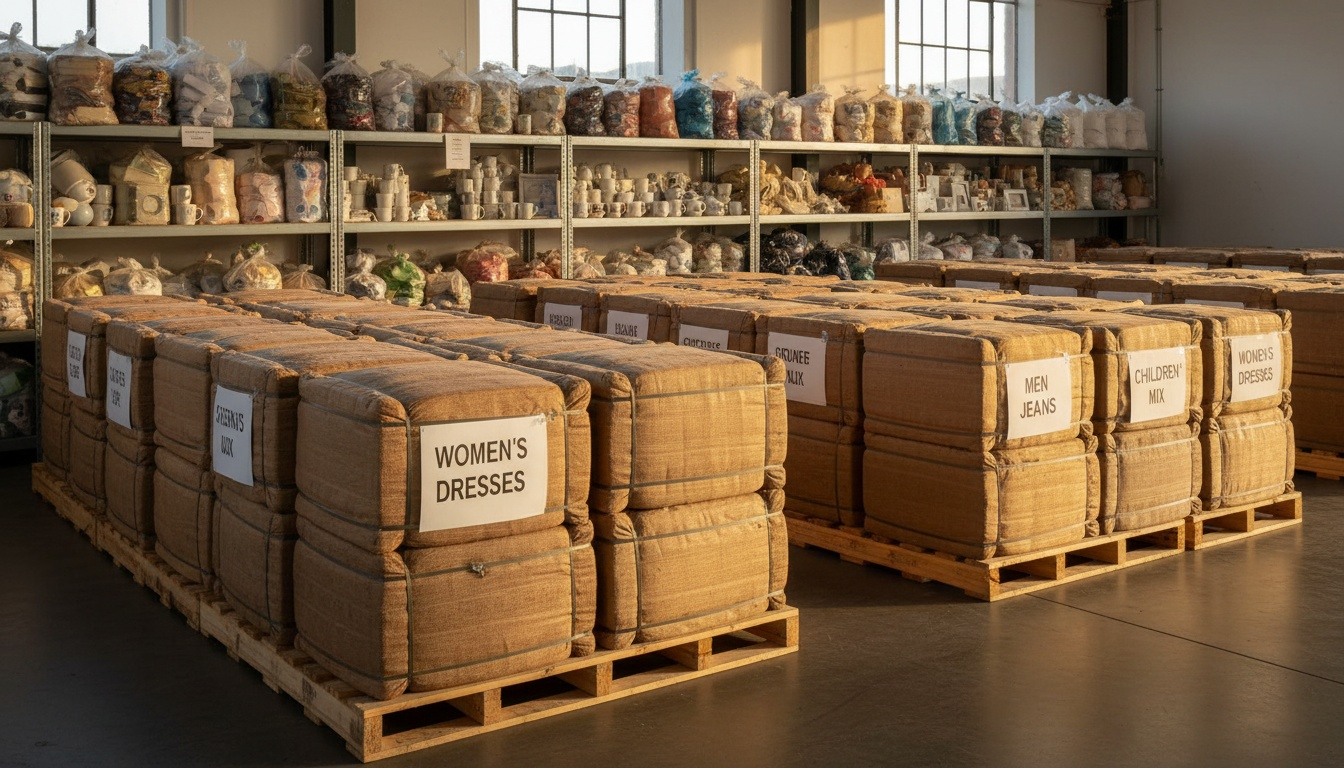
The second-hand wholesale clothing market plays an integral role in the global apparel trade landscape. It's a sector that thrives on the cyclical nature of fashion, the increasing demand for sustainable practices, and the economic efficiency it offers to businesses of all sizes. For over 15 years, UK Used Clothes has been at the forefront of this industry, supplying quality second-hand clothing, bric-a-brac, and soft toys from our West Drayton warehouse to more than 500 partners across Europe. Understanding the pricing structures of wholesale clothing second hand can significantly impact your margins and the quality of stock you offer. In this guide, we delve into the essential elements of cost considerations that every buyer should be aware of.
Table of Contents
- Pricing Factors in Second Hand Clothing
- Understanding Bale Weights and Grades
- The Role of Minimum Order Quantities
- Logistics and Transportation Costs
- Stock Quality Considerations
- Maximising Margins with Strategic Sourcing
Key Takeaways
| Aspect | Insight |
|---|---|
| Pricing Factors | Influenced by quality, seasonality, and demand. |
| Bale Weights | Determine shipping and handling costs. |
| MOQ | Affects pricing and stock availability. |
| Logistics | Key cost component; consider location and volume. |
Pricing Factors in Second Hand Clothing
The pricing of second-hand clothing in the wholesale market is influenced by several key factors. Quality is paramount; garments in good condition command higher prices, while those with visible wear are more economical. Seasonality also plays a role; winter coats, for example, fetch higher prices during the colder months. Additionally, demand can spike prices; items that are currently trending or in short supply may see elevated rates.
Understanding these dynamics is crucial for buyers looking to optimize their purchasing strategy. By aligning purchases with seasonal demand and quality expectations, businesses can ensure they are investing wisely. Pro tip: Always verify the quality and condition of goods before purchasing, preferably through sample lots or direct warehouse visits.
Understanding Bale Weights and Grades
Bale weight is a crucial consideration in the wholesale clothing second hand market. Bales are typically categorized by weight and grade, which directly impact shipping costs and handling logistics. Common bale weights range from 45 kg to 100 kg, with heavier bales often offering better cost efficiency per unit of clothing.
The grading of the clothing within these bales is equally important. Grade A typically represents higher-quality garments, often near-new, while Grade B and C may contain items with minor defects or wear. Choosing the right balance between weight and grade can optimize your costs and stock quality. Buyer's note: Opt for heavier bales when shipping costs are a concern, but ensure the grade aligns with your business model and customer expectations.
The Role of Minimum Order Quantities
Minimum Order Quantities (MOQs) are a staple of the wholesale industry, including second-hand clothing. MOQs ensure that suppliers can maintain cost-effectiveness and operational efficiency. For buyers, meeting MOQs can mean access to more competitive pricing and a broader selection of goods.
The MOQ can vary significantly depending on the supplier and the type of goods. At UK Used Clothes, our MOQ policies are designed to accommodate a range of business needs, offering flexibility without compromising on value. Understanding and negotiating MOQs can enhance your purchasing power. Industry insight: Leverage your buying volume to negotiate better terms with suppliers, potentially lowering MOQs or securing better pricing tiers.
Logistics and Transportation Costs
Logistics is a significant component of the total cost structure in the wholesale clothing second hand business. Transportation costs can vary based on the distance from the supplier’s warehouse to your location, the volume of goods, and the method of shipping—be it land, sea, or air.
Effective logistics management can help mitigate these costs. Choosing a supplier with a strategically located warehouse, like our facility in West Drayton, can reduce shipping times and expenses. Additionally, consolidating shipments or choosing slower, but cheaper, transportation methods can further optimize costs. Quick win: When planning your logistics, consider consolidating shipments to save on transport costs, but balance this with the urgency of delivery.
Stock Quality Considerations
The quality of the stock is a fundamental consideration in the second-hand wholesale trade. Higher-quality garments not only attract better prices but also enhance the reputation of your business. Conducting rigorous quality inspections before finalizing purchases is essential.
Our Original Collection offers a diverse range of products sourced from affluent communities, ensuring a baseline of quality that can be trusted. Incorporating these practices into your sourcing strategy can lead to a more desirable inventory mix. Watch out: Always request detailed product lists and condition reports to avoid surprises and ensure stock quality aligns with your business needs.
Maximising Margins with Strategic Sourcing
Strategic sourcing is about more than just price; it's about finding the right balance between cost, quality, and reliability. By building strong relationships with reputable suppliers and understanding market trends, you can position your business to maximize margins effectively.
At UK Used Clothes, we provide detailed insights and support to help our partners navigate the complexities of the second-hand wholesale market. By leveraging our experience and resources, you can make informed purchasing decisions that align with your business goals. Worth knowing: Regularly review your supplier partnerships and market conditions to adapt your sourcing strategy and maintain competitive margins.
FAQ
What factors influence the cost of second-hand clothing in wholesale?
The primary factors include quality, seasonality, demand, and the weight and grade of the bales.
How do bale weights affect my buying decision?
Bale weights influence shipping and handling costs. Heavier bales tend to be more cost-efficient but may require more logistical planning.
What is the significance of MOQ in wholesale buying?
MOQs help suppliers maintain efficiency and can offer buyers better pricing. Understanding these requirements is crucial for effective purchasing.
How can I ensure the quality of second-hand stock?
Conduct thorough inspections, request detailed reports from suppliers, and consider sample lots to verify quality before making large purchases.