Understanding Wholesale Second Hand Clothing Supplier Costs
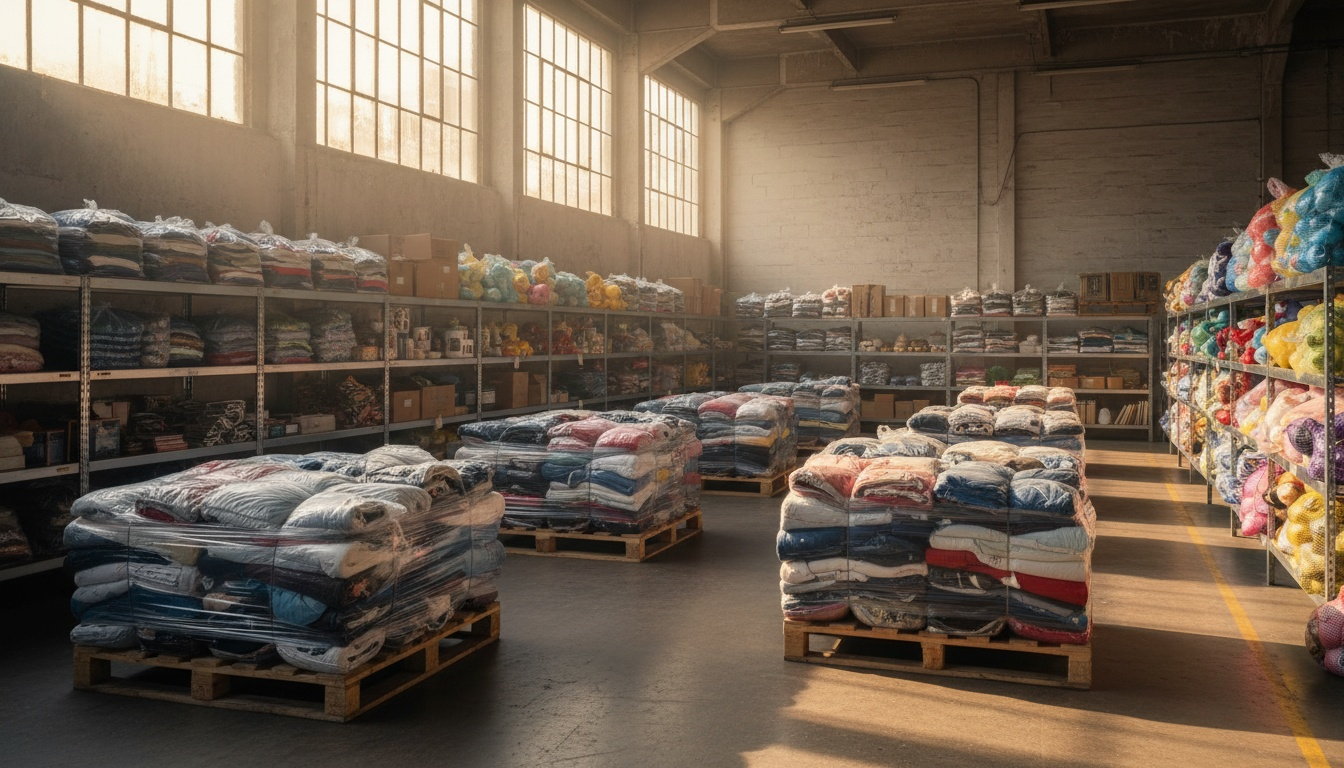
In the dynamic world of wholesale trading, understanding the cost structure of a wholesale second-hand clothing supplier is crucial for buyers aiming to optimise their margins and enhance their operations. With over 15 years of experience, UK Used Clothes has honed the art of sourcing, sorting, and supplying quality second-hand clothing and related products across Europe. From the weight of the bales to minimum order quantities (MOQs), numerous factors influence the final pricing. By breaking down these elements, businesses can make informed decisions and strategise their purchasing plans effectively, ensuring they receive the best value from their investments.
Table of Contents
- Understanding Bale Weight
- Minimum Order Quantities
- Grading and Quality
- Bric-a-brac and Soft Toys
- Container Pricing and Logistics
- Strategies for Bulk Purchases
Key Takeaways
| Aspect | Details |
|---|---|
| Bale Weight | Varies by product type; affects shipping and handling costs. |
| Minimum Order Quantities | Ensures competitive pricing; varies by supplier. |
| Grading and Stock Quality | Directly impacts resale value; essential for customer satisfaction. |
| Container Pricing | Includes transportation costs; size and weight influence rates. |
Understanding Bale Weight
The weight of each bale is a critical factor in the wholesale second-hand clothing trade. Typically, bales can range from 45 kg to 500 kg, depending on the nature of the goods. For instance, lighter bales might consist of delicate fabrics or premium branded items, whereas heavier bales could include a mix of winter wear or bulkier items. The weight not only affects shipping costs but also impacts handling within your warehouse operations. Understanding these variables allows you to plan your logistics more precisely and manage your transportation expenses effectively.
Moreover, the bale weight plays a significant role in pricing. Suppliers, like UK Used Clothes, often base their prices on weight, making it essential to know exactly what you’re getting in each shipment. Buyers should request detailed weight breakdowns to better estimate their total costs and potential resale margins. Pro tip: Always verify the average weight of bales with your supplier to avoid unexpected shipping costs and ensure logistical efficiency.
Minimum Order Quantities
Minimum order quantities (MOQs) are a common practice in the wholesale industry, especially with second-hand clothing suppliers. These quantities ensure that suppliers can maintain competitive pricing while also managing their inventory efficiently. For businesses, understanding MOQs is essential for budgeting and planning purposes. Each supplier will have different MOQ requirements, often influenced by their stock levels and operational capacities.
At UK Used Clothes, we have structured our MOQs to balance affordability with quality assurance. This approach allows buyers to acquire large quantities at favourable prices without compromising on the quality of goods. As a buyer, it’s crucial to communicate your needs clearly and negotiate terms that align with your business objectives. Buyer's note: Consider combining orders with other buyers in your network to meet MOQs and reduce costs per unit.
Grading and Quality
The grading of second-hand clothing is a vital component that affects both cost and resale potential. Grades range from A (highest quality) to C (lowest quality), with corresponding price differences. Higher-grade clothing often commands higher prices but can also yield better resale margins due to its condition and desirability. Understanding the grading system and ensuring transparency with your supplier is crucial.
UK Used Clothes prides itself on a stringent grading process, ensuring that our partners receive consistent and reliable stock quality. This process is integral for maintaining customer trust and satisfaction. Buyers should regularly assess the grading standards of their suppliers and request sample bales where possible. Industry insight: Regularly review your supplier’s grading criteria and request audits to ensure alignment with your quality expectations.
Bric-a-brac and Soft Toys
While clothing forms the bulk of many orders, bric-a-brac and soft toys are valuable additions that can diversify and enhance your product offerings. These items, often included as part of bulk lots, provide unique selling points for businesses looking to expand beyond clothing. Bric-a-brac encompasses a wide range of items, from household goods to decorative pieces, each with its own pricing and demand dynamics.
Soft toys, on the other hand, are popular in markets with a focus on children's products. They offer excellent margins due to their appeal and relatively low purchasing cost. UK Used Clothes offers a varied selection of bric-a-brac and toys, sourced and sorted to meet diverse market needs. Quick win: Incorporate complementary products like bric-a-brac and toys to increase your average order value and attract a wider customer base.
Container Pricing and Logistics
Shipping logistics and container pricing are integral considerations for any wholesale second-hand clothing supplier. The cost of transportation can significantly impact your overall expenses, particularly when dealing with international shipments. Container sizes and the weight of goods play a crucial role in determining shipping costs. Efficient planning and understanding of these logistics can result in substantial savings.
UK Used Clothes leverages its strategic location in Greater London to optimise shipping routes across Europe. By collaborating with experienced logistics partners, we ensure timely and cost-effective delivery of goods. Buyers are encouraged to discuss container options and explore flexible shipping solutions with their suppliers. Watch out: Factor in all logistics costs, including customs duties and taxes, when calculating total expenses to avoid unexpected charges.
Strategies for Bulk Purchases
Maximising the benefits of bulk purchases requires strategic planning and a keen understanding of market trends. Buyers should focus on building solid relationships with suppliers, as strong partnerships can lead to better pricing, priority access to new stock, and flexible payment terms. Understanding seasonal demand and adjusting purchase volumes accordingly can also optimise inventory turnover and profitability.
Engaging with a reliable supplier like UK Used Clothes offers access to a wealth of industry knowledge and expertise. By leveraging these resources, buyers can refine their purchasing strategies and enhance their market position. Worth knowing: Keep abreast of industry trends and maintain open communication with your supplier to adapt quickly to changing market dynamics and capitalise on new opportunities.
FAQ
What factors influence the cost of wholesale second-hand clothing?
The cost is influenced by bale weight, grading and quality of the clothing, logistics, and minimum order quantities. Each of these elements directly impacts your overall expenditure and should be carefully evaluated.
How can I ensure the quality of the second-hand clothing I purchase?
Request detailed grading information from your supplier and consider ordering sample bales to verify quality. Establishing a good rapport with your supplier can also help ensure transparency and consistency.
What are the benefits of including bric-a-brac and soft toys in my order?
These items can diversify your product range, attract a broader customer base, and increase your average order value. They often come with favourable margins, enhancing overall profitability.
How can I optimise logistics for international shipments?
Work with your supplier to explore cost-effective shipping options, negotiate container pricing, and understand customs regulations to avoid unexpected costs. Efficient logistics planning can lead to significant savings.