Buy Second Hand Clothes Wholesale UK for Your Business
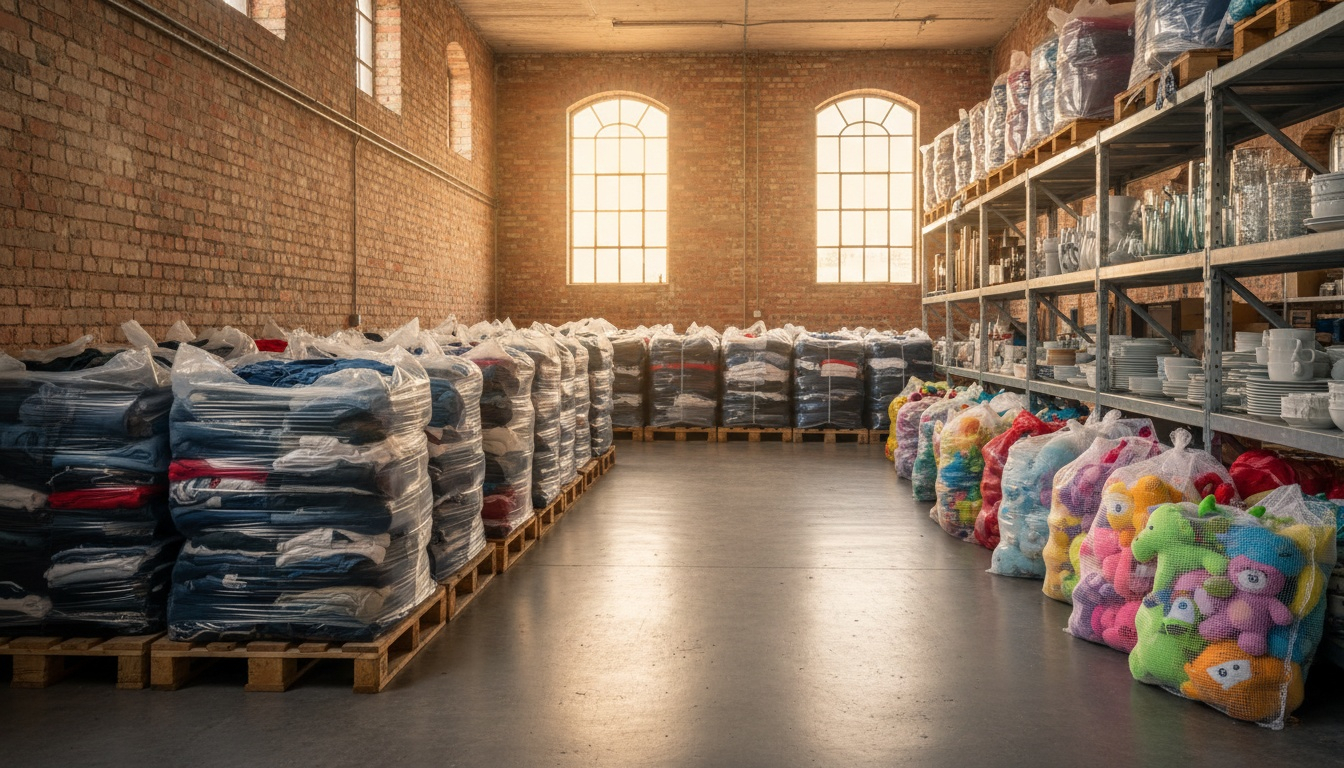
As the demand for sustainable and cost-effective sourcing solutions grows, buying second-hand clothes wholesale in the UK has become increasingly popular among B2B buyers. At UK Used Clothes, we've been at the forefront of this trade for over 15 years, providing quality, pre-loved garments to resellers, exporters, and wholesalers across Europe. Understanding the intricacies of the UK wholesale market can significantly impact your margins and business growth. From sourcing bulk lots to managing logistics, knowing the right strategies is crucial for success. In this guide, we delve into practical methods to optimise your wholesale purchases, ensuring you get the best value for your investments.
Table of Contents
- Sourcing Second-Hand Clothes in the UK
- Understanding Bulk Lots and Bale Weight
- Exploring Bric-a-Brac and Soft Toys
- Managing Logistics and Export Considerations
- Maximising Margins with UK Suppliers
- Navigating the Wholesale Trade Landscape
Key Takeaways
| Aspect | Insight |
|---|---|
| Sourcing | Prioritise quality over quantity by selecting experienced suppliers. |
| Bulk Lots | Understand bale weights to ensure cost-effective purchases. |
| Logistics | Efficient logistics can significantly impact profitability. |
| Margins | Focus on competitive pricing to enhance margins. |
Sourcing Second-Hand Clothes in the UK
The UK is renowned for its high-quality second-hand clothing, often sourced from stable, affluent communities. For B2B buyers, choosing the right supplier is paramount. An experienced supplier like UK Used Clothes can offer a reliable stream of quality garments, ensuring consistency in your stock. When sourcing, consider suppliers who offer transparency about their sourcing methods and the condition of their products. This ensures that you receive items that meet your clients' expectations, enhancing your reputation and reliability in the market.
Moreover, establishing a relationship with your supplier can lead to better deals and priority access to premium stock. Frequent communication and feedback can optimise the selection process, tailoring it to the specific needs of your business. Pro tip: Always verify the supplier's credentials and customer feedback to ensure they align with your business goals.
Understanding Bulk Lots and Bale Weight
When buying second-hand clothes wholesale in the UK, understanding bulk lots and bale weight is essential. Bale weight can vary, impacting both the cost and logistics of your purchase. Typically, the heavier the bale, the more economical it is per unit, but it is crucial to balance this with the quality of the clothing inside. A reputable supplier will provide detailed information about the bale contents, helping you make informed purchasing decisions.
Consider starting with smaller lots if you're new to the wholesale market, allowing you to assess the quality and demand before scaling up. This approach minimises risk and provides flexibility to adjust to market changes. Buyer's note: Always clarify the bale grading system used by your supplier to ensure you understand the quality and type of clothing included.
Exploring Bric-a-Brac and Soft Toys
While second-hand clothing is a significant part of the wholesale market, diversifying your offerings with bric-a-brac and soft toys can open new revenue streams. These items often appeal to a broader audience and can be sourced effectively alongside clothing. At UK Used Clothes, we offer an extensive range of bric-a-brac and soft toys, ideal for wholesalers looking to expand their product lines.
It's essential to understand the market demand for these items in your region. Conducting market research can provide insights into which products are likely to sell well, ensuring you stock items that resonate with your target audience. Industry insight: Diversifying your inventory not only spreads risk but can also increase customer retention by offering more variety.
Managing Logistics and Export Considerations
Logistics play a critical role in the profitability of buying second-hand clothes wholesale in the UK. Efficient logistics management can reduce costs and improve delivery times, crucial for maintaining competitive pricing. When planning your logistics, consider factors such as shipping routes, customs regulations, and delivery timelines. Partnering with a reliable logistics company that understands the nuances of exporting can significantly streamline this process.
Additionally, understanding the export regulations of the destination country is vital to avoid any legal complications. This includes ensuring all necessary documentation is in place and compliant with local laws. Quick win: Regularly review logistics and export processes to identify areas for cost savings and efficiency improvements.
Maximising Margins with UK Suppliers
Maximising margins is a key objective for any B2B buyer in the wholesale trade. Working with UK suppliers like UK Used Clothes can provide several advantages, such as competitive pricing and high-quality stock. When negotiating prices, consider the volume of your orders as larger purchases often attract better rates. Building a strong partnership with your supplier can also lead to more favourable terms and exclusive access to premium stock.
Focus on transparency in pricing and be clear about your requirements to ensure you obtain the best possible deal. Regularly reviewing your supplier agreements can help identify any areas for negotiation or improvement. Watch out: Avoid compromising on quality for lower prices, as this can impact your reputation and customer satisfaction in the long run.
Navigating the Wholesale Trade Landscape
The UK wholesale trade landscape is dynamic, with various factors influencing market conditions such as economic trends, consumer preferences, and regulatory changes. Staying informed about these factors can help you anticipate changes and adapt your business strategies accordingly. Engaging with trade publications, networking with industry peers, and attending trade shows can provide valuable insights into market trends and opportunities.
Moreover, keeping an eye on your competitors and understanding their strategies can offer competitive advantages. This knowledge allows you to position your business effectively within the market, ensuring continued growth and success. Worth knowing: Regularly update your market intelligence to stay ahead of trends and maintain a competitive edge.
FAQ
What is the minimum order quantity (MOQ) for wholesale purchases?
The MOQ varies depending on the supplier, but at UK Used Clothes, we offer flexible options to accommodate different business needs. It's best to contact us directly for specific details.
How can I ensure the quality of second-hand clothes?
Quality assurance starts with choosing a reputable supplier. Look for suppliers who provide detailed information about their sourcing and grading processes. Regular communication and feedback can also help maintain quality standards.
Are there any specific regulations for exporting second-hand clothes?
Yes, each country has its own regulations regarding the import of second-hand goods. It's crucial to understand these regulations and ensure compliance to avoid any legal issues during export.
Can I visit the warehouse to inspect the stock?
Absolutely, many suppliers, including UK Used Clothes, allow potential buyers to visit their warehouse. This can provide firsthand insights into the quality and range of products available.