Soft toys and plastic toys: checking, cleaning and selling a lot
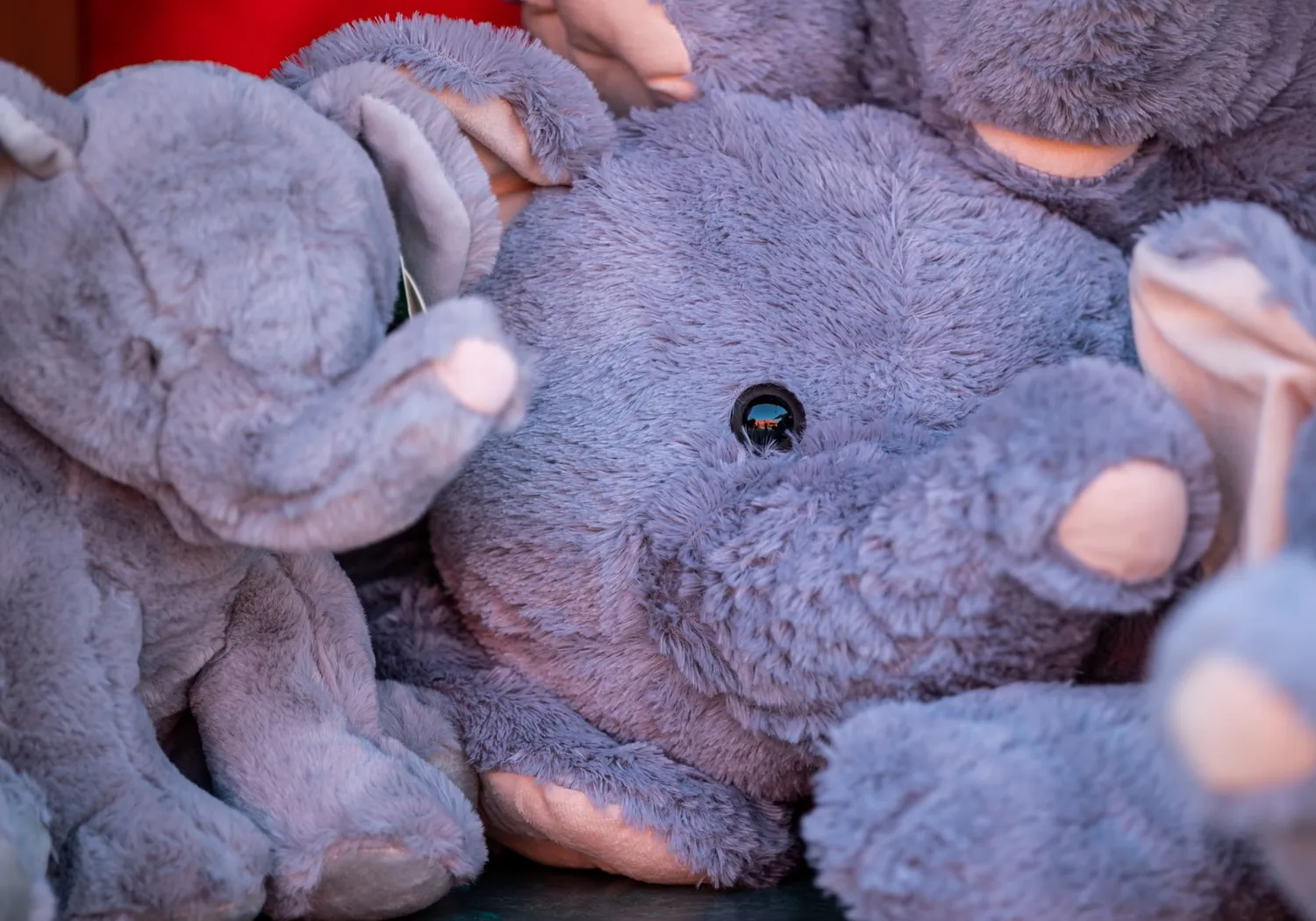
Soft toys arrive in bags of 15-25 kg and plastic toys and games in boxes, and each kind needs its own checks, its own cleaning and its own place on the shelf. How to resell used toys bought by weight starts with treating the two as separate jobs: check a lot before you clean it, disinfect before anything is displayed, sort complete sets from incomplete ones, and look up your local rules before the first toy goes on sale.
Soft toys and plastic toys are two separate stocks
Soft toys are light, they compress, and they fill a shelf quickly for their weight. A bag of 15-25 kg can be carried by one or two people, and they store on racking or in a dry cupboard as long as air can move around them. The range is on the used soft toys page.
Plastic toys and games come in boxes. They are heavier per piece and take more room, and they hold the items that have parts: building sets, vehicles, figures, playsets and board games. They are listed on the used plastic toys page, and the whole line is described on the toys page.
Second hand soft toys wholesale and plastic toys wholesale are two different kinds of work, and a buyer of used toys wholesale takes on both at once if the order includes both. Soft toys are washed, dried and judged on smell and feel. Plastic toys are counted, completed and tested. They need different tables, different hours and different shelves, and a plan written for one kind will not fit the other.
The toys are hand-checked, and only intact and clean ones are packed. Do not treat that as the end of your checking. It is the starting point for yours.
What to look at in the first bags and boxes
Open several bags and boxes from different parts of the lot before touching the rest. You are looking for the pattern of the lot, not for perfection, and the top of a bag is never representative.
In a soft toy bag, check the smell first, because a damp or musty smell does not wash out of every toy. Then look at seams that have started to open and at eyes and noses that are loose. Ribbons, buttons and other sewn-on parts that could come off count as well. A toy that has gone flat or lumpy inside does not recover, however often it is washed. Read the care label where there is one, since it says what the toy can be washed in. Also look for signs of insects or moths, which are rare but ruin a whole bag if missed.
In a plastic box, look for cracks and for sharp edges where a part has broken. Peeling stickers and missing pieces count too. Hold a few items up and shake them; a rattle that should not be there means a loose part inside.
Sound and light toys need an extra step: press the buttons, check the volume and see whether anything stays on. If a toy makes a noise that would grate on a customer at the till, put it with the cheap stock.
Sort by age group as well as by result. Toys for babies and toddlers, for pre-school children and for older children sell to different customers and fall under different safety questions, so keep them on separate shelves from the start. A toy with no obvious age group goes to the reject pile or to a separate display for adults and collectors.
Sort into piles by result: sellable as it is, clean first, repair, bargain bin and reject. Once you have counted the sellable pile across the first few bags, you know what the lot is really like and what share reaches a shelf.
Cleaning and disinfecting before sale
Disinfect every toy before it is displayed, whatever its condition on arrival. Parents handle toys, children put them in their mouths, and a shop that sells a toy with no cleaning on its own side takes a risk it does not need to take. That is a buyer's step, and it applies to second hand toys wholesale as much as to any used stock.
The method depends on the toy. Hard plastic can be wiped or washed with a disinfectant made for the purpose, used as its directions say, rinsed where they ask for it and dried before storage. Fabric toys can go through a wash if the label allows, ideally in a laundry bag, and must then dry completely, because a toy stored damp can start to grow mould. Toys with electronics or a sound module are wiped on the outside and never soaked.
Read the directions of whatever product you use, and do not mix products. If a toy has no label and you are unsure, test a small area first. Anything that changes colour or smells strongly after washing goes to the discount pile.
Plan space for drying before the delivery arrives. A rack, an airer or a table with a fan makes more difference than most buyers expect, and a pile of wet soft toys in a closed room is the worst possible arrangement. Wash in batches that match the drying space you have, and keep washed stock away from unwashed so that the two do not get mixed.
After cleaning, look at each toy again; a clean toy can still have a split seam. Staff who handle many toys in a day should wash their hands between the unwashed pile and the finished one.
Missing parts, batteries and incomplete sets
Sets are where used toys hold or lose their value. A box of building bricks without its instruction leaflet still sells. A playset missing half its pieces sells for far less than a complete one, and a board game with missing cards is hard to sell at all.
Count what you can. Games usually list the contents on the lid or inside the box, so check the cards and pieces against the list. Puzzles need a piece count, which takes time and is worth doing only on the larger or more valuable ones; a puzzle sold unchecked should be marked as such.
Incomplete sets still sell as parts bags. Building toys, vehicles and figures can be sold by the scoop or the bag to parents and collectors who need a replacement piece. Label them plainly as incomplete, because a customer who finds the gap at home does not come back.
Batteries come next. Old batteries left in a toy can leak and corrode the contacts, so take them out when the toy reaches your table and clean any residue with a cotton bud, taking care with your skin and eyes. Fit fresh batteries, test the toy, and take them out again before sale, or sell the toy marked as working with a note that batteries are not included. The test takes seconds per toy and saves a refund later.
Take extra care with button batteries, the small flat ones. A toy that uses them needs a compartment that closes securely, and any toy with a cracked cover or a missing screw should not go on sale.
Older toys and safety rules that depend on where you sell
How toy safety rules apply to second hand toys varies by country, and it can depend on whether you sell inside the EU or outside it. Much toy law is shared across the EU, but national rules and the treatment of used goods still need checking, and markets outside the EU have their own rules. This article states none of them. Ask your local market surveillance authority or a trade adviser what applies to you, and ask the supplier what is in the lot.
Age matters. Toys made many years ago may not meet today's limits on small parts or on materials, and an old toy for a very young child is the case that does the most harm if you get it wrong. Leave out anything meant for the under-threes that you cannot identify or date with confidence.
Some judgments do not need a rule book. Take off the shelf any toy with a broken part that leaves a sharp edge, any with a loose small part that could be swallowed, anything chewed or badly worn and anything with a loose battery cover. A low price does not excuse a toy you would not hand to a child you know.
Keep a note of when each lot arrived and what was in it. If a customer or an authority ever asks where a toy came from, you can answer.
Pricing and display by pack format
Price by group, not by piece. A basket of small figures at one price, a bin of soft toys at another and a shelf of complete boxed sets at a third make the till quick and the shelf easy to read. Keep the better pieces apart, at eye level, with their own sign.
The cost side is simple. Add what the bag or box cost to the value of the cleaning labour and divide by the number of toys fit to sell. As an example with made-up numbers, which are not our prices: an 18 kg bag that cost 54 units, with cleaning that took two hours valued at 3 units each, and 120 toys fit to sell, costs 0.5 units a toy before it reaches the shelf. Count your own bags, because toy size varies a great deal and so will your figure.
Soft toys display best where they can be seen and touched: open baskets, a net or a low shelf at a child's height, sorted by size so that the large ones do not bury the small ones. Plastic sets belong in clear bags or boxes so that the contents show, with a note saying whether the set is complete, since parents want to see that everything is there. Loose items go on a low-priced table or in a bin.
Complete sets and branded items also suit online listings, while bags of plain soft toys do not repay the photography. Which selling channel suits which kind of stock is a larger question covered in the article on categories by shop type, and the way a whole truck is divided is in the guide to planning a mixed truck.
Gift periods bring a rush, so clean and price before they arrive and not during. In the weeks after one, stock moves slowly and a markdown schedule keeps the bargain table supplied. Work out what each lot earned with the method in the article on profit from a second hand load.
Questions about reselling used toys
How do I price a set with one piece missing?
Decide whether the missing piece matters to play. A building set that lacks a few bricks can still sell at a reduced group price, while a board game that lacks its dice usually cannot. Mark the set as incomplete and price it below complete ones.
Can I sell electronic toys without testing each one?
It is better not to. A toy that was never tested is a refund waiting to happen, and some local rules put extra requirements on electrical products. Test with fresh batteries, and put anything that fails with the parts stock or in the reject pile.
Are very old toys safe to resell?
Not automatically. Older toys can fall short of current limits on small parts and materials, and the rules that apply to used toys depend on your country. Leave out anything for very young children that you cannot identify, and ask your local authority or a trade adviser about the rest.
What should I ask before ordering toys?
Ask for a video of an opened soft toy bag and an opened plastic toy box, and ask what the price per kg is for each type, since it depends on the category. Ask how the toys are packed and what you should do about damaged goods on arrival. All of that can be requested from the toys line page, together with a quote.