Understanding Second Hand Clothes for Wholesale Sourcing
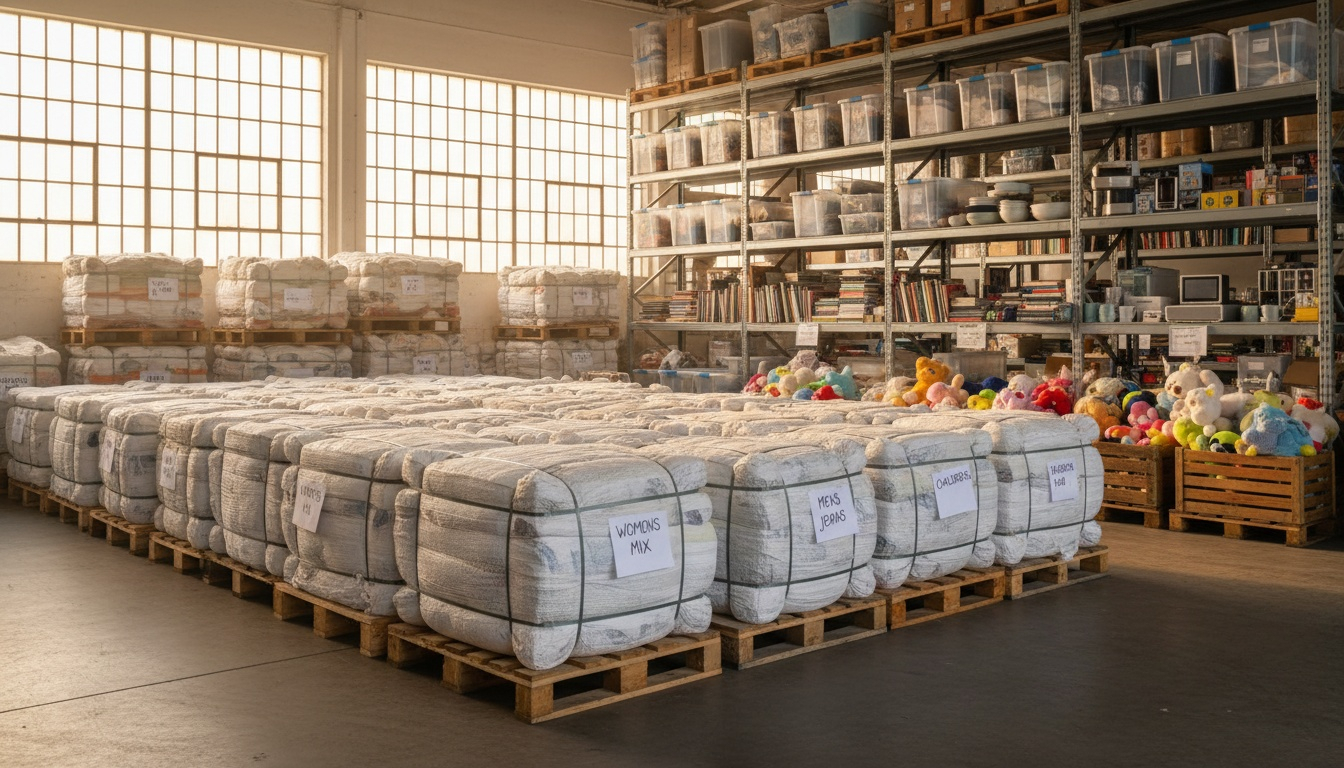
In the realm of second hand clothes for wholesale, understanding the intricacies of sourcing, pricing, and logistics is crucial for building a successful business. Whether you’re a seasoned player in the market or a newcomer keen on penetrating this sector, comprehending the cost breakdown and quality considerations can significantly impact your margins. With over 15 years of experience, we've seen how strategic sourcing from stable UK communities sets the foundation for reliable bulk lots and ensures a steady supply of quality second-hand clothing. As demand continues to rise across Europe, staying informed and adaptable is key to maintaining a competitive edge.
Table of Contents
- Understanding Cost Structures in Wholesale Sourcing
- Evaluating Stock Quality: Grades and Their Impacts
- Minimum Order Quantities and Their Importance
- Logistics and Loading: Optimising Container Use
- Beyond Clothing: Including Bric-a-Brac and Toys
- Maximising Margins in the Second Hand Market
Key Takeaways
| Aspect | Considerations |
|---|---|
| Cost Structures | Know your sourcing and logistics expenses to manage budgets effectively. |
| Stock Quality | Grade your stock critically to meet diverse buyer needs. |
| Order Quantities | Balance MOQ requirements with inventory turnover rates. |
| Logistics | Efficient loading can reduce shipping costs significantly. |
Understanding Cost Structures in Wholesale Sourcing
When sourcing second hand clothes for wholesale, understanding the cost structures is vital. Costs typically include purchasing price, transportation, handling, and warehousing. The purchasing price is influenced by the quality of goods and the reliability of suppliers. Transportation costs can vary based on the distance from the source to your warehouse or distribution center, while handling involves the expenses associated with sorting and grading the clothes. Warehousing costs depend on the storage space required and the duration the items are held before distribution.
Managing these costs effectively can enhance your profitability. It’s crucial to establish strong relationships with reliable suppliers who offer competitive prices without compromising on quality. Bulk purchasing often comes with discounts, which can be passed on to your buyers, enhancing your competitive edge.
Pro tip: Always factor in hidden costs such as customs duties and taxes when calculating your total sourcing expenses.
Evaluating Stock Quality: Grades and Their Impacts
In the wholesale trade, the quality of second-hand clothes is typically categorized into grades. These grades range from Grade A, which includes high-quality items with minimal wear, to Grade C, which may have more visible signs of use. The grade of your stock directly affects the resale value and appeal to various markets. Understanding these distinctions is crucial for positioning your offerings correctly in the market.
Strategic grading allows you to cater to different segments, whether you're targeting premium boutiques or budget-conscious buyers. It’s essential to maintain consistency in quality to build trust with your buyers. Regular quality checks and audits can help ensure that your stock meets the expected standards consistently.
Buyer's note: Transparent communication about the grades of your stock helps build long-term relationships with your buyers.
Minimum Order Quantities and Their Importance
The concept of Minimum Order Quantity (MOQ) is pivotal in wholesale transactions. MOQs ensure that transactions are economically viable for both the supplier and the buyer. For wholesalers, setting an MOQ helps to manage inventory levels and reduce the holding costs associated with unsold stock.
Buyers should consider their market demand and storage capacity when meeting MOQ requirements. While higher MOQs may offer better unit prices, they also require significant upfront investment. Therefore, balancing these factors is essential to optimize stock turnover and cash flow.
Industry insight: Negotiating flexible MOQs can help accommodate varying demand without straining your resources.
Logistics and Loading: Optimising Container Use
Efficient logistics and loading practices can dramatically reduce costs associated with transportation. Optimising container use involves strategic packing to maximize the space available, thereby lowering the cost per unit shipped. This is particularly important when dealing with international shipping, where costs can be substantial.
Investing in experienced logistics personnel who understand the nuances of container loading can ensure that you make the most of your shipping space. This can also minimize the risk of damage during transit, preserving the quality of your goods upon arrival.
Quick win: Use professional loading techniques to maximize space and reduce shipping costs per unit.
Beyond Clothing: Including Bric-a-Brac and Toys
While second-hand clothing forms the core of many wholesale operations, diversifying into bric-a-brac and soft toys can open additional revenue streams. These items often require similar sourcing and logistics processes, making them a natural extension of your existing business model. They appeal to a broad range of buyers, from general stores to specialty shops.
Our [Bric-a-Brac](https://ukusedclothes.com/products/brick-a-brack) and [Toys](https://ukusedclothes.com/products/toys) sections offer a diverse selection that can complement your clothing stock, providing your clients with a one-stop shop for various second-hand goods. This diversification can also help mitigate risks associated with seasonal fluctuations in clothing demand.
Watch out: Ensure consistent quality and appealing variety to maintain interest in your bric-a-brac and toy offerings.
Maximising Margins in the Second Hand Market
Maximising margins in the second-hand market requires a keen understanding of both your cost structures and market dynamics. This involves not only sourcing competitively priced stock but also managing operational efficiencies across your supply chain. Conducting regular market analysis helps in adjusting pricing strategies to remain competitive without sacrificing profit margins.
Engaging with buyers across various European markets, such as Poland and Lithuania, can also reveal insights into local preferences and demand trends, helping tailor your offerings accordingly. Building long-term partnerships with these buyers can lead to repeat business and stable revenue streams.
Worth knowing: Leveraging bulk purchasing power can help secure lower prices from suppliers, enhancing your margins.
FAQ
What is the typical MOQ for second-hand clothes in wholesale?
MOQs can vary, but they often start at one bale or container, depending on the supplier and buyer agreement. It is crucial to negotiate terms that align with your market demands and storage capabilities.
How can I ensure the quality of the second-hand clothes I source?
Working with reputable suppliers who provide transparency in grading and quality checks is key. Regular audits and quality assessments can further ensure consistent product standards.
What factors should I consider when calculating total sourcing costs?
Consider purchasing price, transportation, handling, warehousing, and any applicable customs duties and taxes. Keeping these factors in check helps maintain your budget and profitability.
How does diversifying into bric-a-brac and toys benefit my wholesale business?
Diversification can mitigate risks associated with seasonal clothing demand and attract a broader buyer base, offering additional revenue opportunities.