How to choose a second hand wholesale supplier with fewer surprises
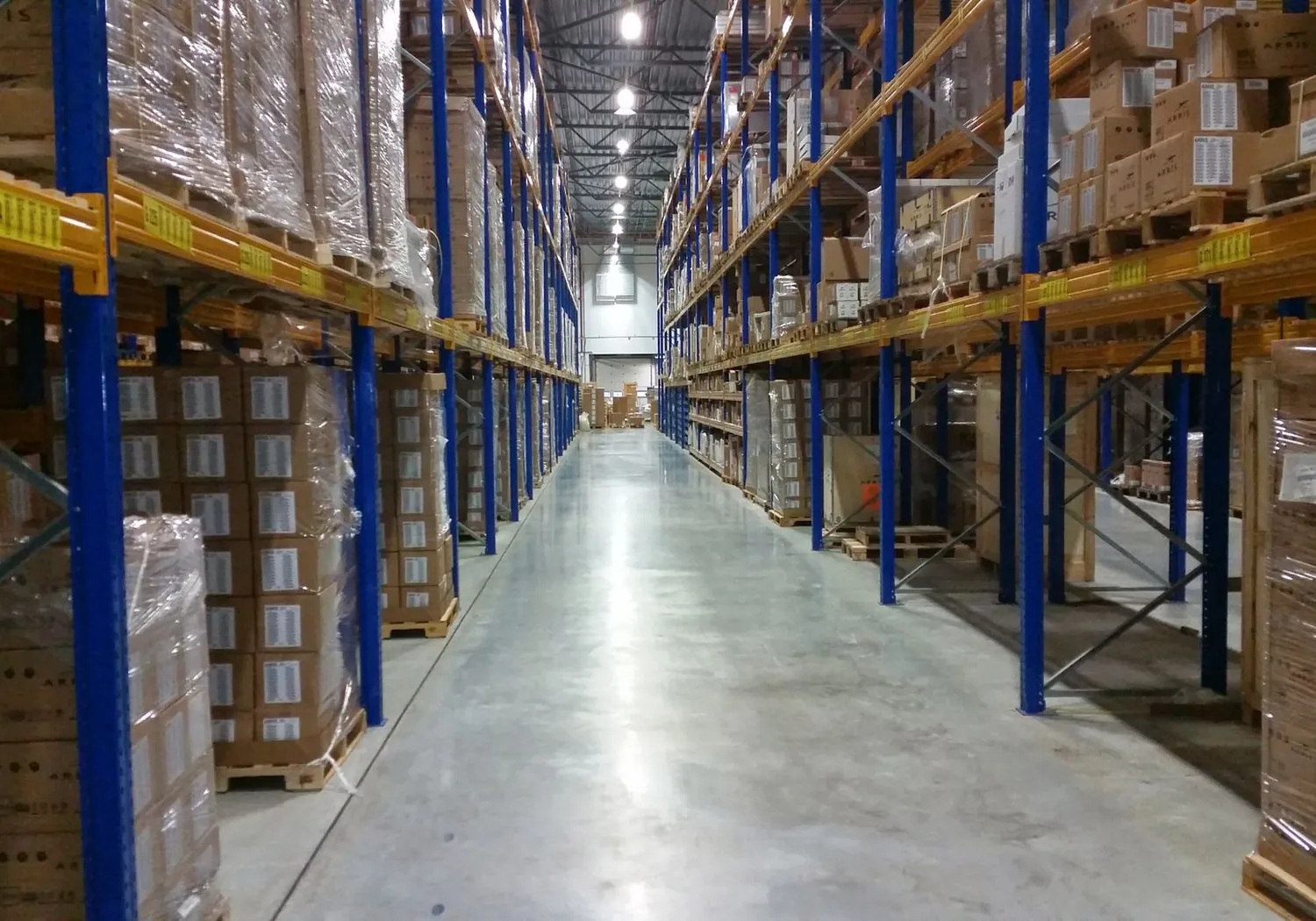
Choose a second hand wholesale supplier by checking three things before you pay: what exactly is in the lot, who stands behind it when it arrives, and how it reaches you. A friendly salesperson and a low price per kg tell you very little on their own.
Ask to see the lot, not the brochure
Request a video of the stock you would actually receive.
A photo of a tidy shelf is not a lot.
Then ask for the facts that change what you can sell: the line (original, bric-a-brac, toys), where it was collected, whether it is sorted, and how heavy each bag or box is. A supplier who knows the product answers these in a minute. One who has to find out is a warning.
Ask for the same details from every supplier you talk to. Answers that arrive in different shapes cannot be compared, and a spreadsheet with one row per supplier fixes that.
Find out what happens when something is wrong
Every wholesale order has a bad day sooner or later: a damaged pallet, a short delivery, a bag that does not match the video. What matters is what the supplier does next.
Ask who you contact, how fast they answer, and what they do if the delivery differs from the agreed description. Get the answer in writing, in the same email thread as the quote.
Look at transport and paperwork
Ask who arranges road transport and who prepares the documents. The UK is outside the EU, so goods are cleared at the border. Check the exact requirements with your customs agent before you order, not after the truck is booked.
For payment, an international buyer usually pays by bank transfer. The account name should match the company on the invoice.
Compare quotes on the same terms
A price per kg only means something next to the same line, the same bag size and the same delivery terms. A low figure that leaves transport and clearance to you may cost more than a higher one that includes delivery to your door.
Write each offer in one row: line, grade, weight, price per kg, transport, who clears customs and the date of loading. Differences show up fast.
Red flags in a quote
- No video, and no explanation of why not.
- A price far under every other offer, with nothing to explain the gap.
- Vague words such as "good mixed stuff" in place of a line and a grade.
- Pressure to pay today to hold the price.
- A request to pay into a personal account.
- No company address you can find on a map.
Start small and look in person
New customers can begin with a 5,000 kg test batch instead of a full truck of about 20,000 kg. Weigh what you sort, note what you could sell and compare it with what you were told. That comparison is your most useful reference for the next order.
Bring a scale if you can, or ask to watch a bag being weighed. If you can travel, see the stock yourself. Browse the product lines first so that you arrive knowing what you want, and use the contact page to ask for a lot video in the meantime.
You can read more about the warehouse in West Drayton on the about page, then book a visit, which is by appointment from Monday to Saturday.