Second Hand Clothes and Shoes Wholesale: A Cost Breakdown
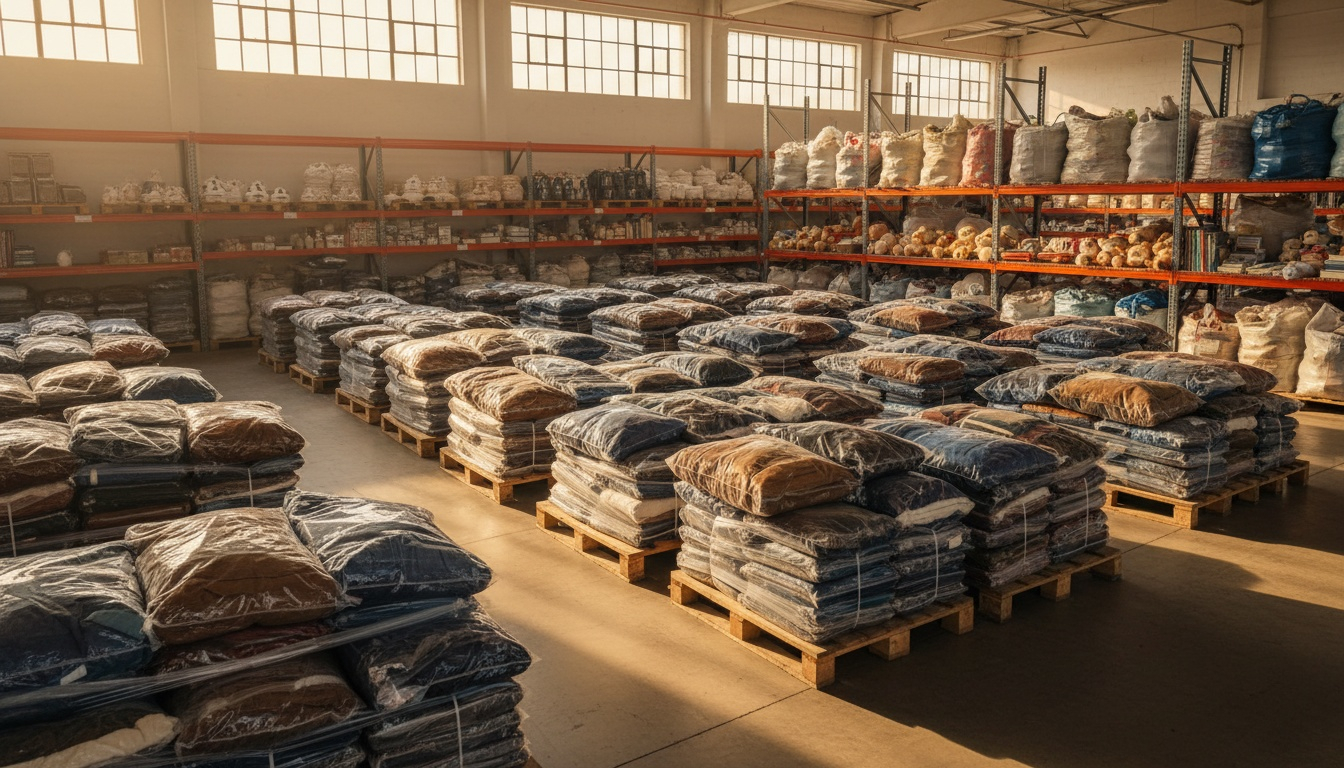
In the dynamic landscape of second hand clothes and shoes wholesale, understanding the intricacies of pricing is pivotal for businesses aiming to optimise their supply chains. With over 15 years of experience, UK Used Clothes has built a reputation for delivering quality second-hand goods sourced from affluent communities in the UK. Whether you're a wholesaler, store owner, or exporter, getting a grip on how costs are structured can significantly impact your margins and overall business strategy. This article delves into the essential components of wholesale pricing, offering insights to help you navigate this sector with confidence and efficiency.
Table of Contents
- Understanding Bale Weights and Grades
- Container Logistics and Costs
- Evaluating Bulk Lots for Maximum Value
- Incorporating Soft Toys and Household Goods
- Margin Analysis and Financial Planning
- Securing Quality Stock Effectively
Key Takeaways
| Aspect | Insight |
|---|---|
| Bale Weights | Understanding the weight impacts shipping and pricing. |
| Logistics | Efficient container usage reduces overall costs. |
| Bulk Lots | Higher volumes often yield better margins. |
| Quality Control | Regular checks ensure stock quality remains high. |
Understanding Bale Weights and Grades
Bale weight and grading are fundamental in the second hand clothes and shoes wholesale market. The weight of a bale can significantly affect shipping costs, which are a crucial component of your overall expenditure. Typically, bales range from 45 kg to 500 kg, with different weight categories impacting the ease of handling and transportation. Grading, on the other hand, determines the quality and type of clothing included in each bale. Higher-grade bales often contain more desirable items, which can fetch better prices on resale.
When sourcing from suppliers, it's vital to clarify the grading system used. This transparency helps in setting accurate expectations regarding the contents and quality of each shipment. Pro tip: Always verify the weight and grade specifications with your supplier to ensure you receive consistent quality and value for money.
Container Logistics and Costs
Efficient use of container space is crucial for managing logistics costs in second hand clothes and shoes wholesale. Shipping containers are typically used to transport large quantities of goods across borders, with common sizes being 20-foot and 40-foot containers. Maximising the use of this space can lead to substantial savings. This involves strategic packing and understanding the weight limits imposed by shipping companies, which can vary based on destination and shipping method.
It's advisable to work closely with logistics partners to ensure that every container is optimally packed to reduce per-unit shipping costs. Buyer's note: Familiarise yourself with the shipping routes and seasonal fluctuations in freight charges to better plan your logistics budget.
Evaluating Bulk Lots for Maximum Value
In the wholesale trade, purchasing in bulk can lead to significant cost advantages. Bulk lots often come with reduced unit prices, providing better margins upon resale. However, the key lies in evaluating these lots effectively to ensure that the lower price does not come at the cost of quality. Assess factors like the mix of clothing types, condition of goods, and potential resale value.
It's also beneficial to establish a strong relationship with suppliers to gain access to exclusive deals and first picks on high-quality lots. Regular communication can lead to better insight into upcoming stock and pricing trends. Industry insight: Diversify your sources to mitigate risks associated with supply chain disruptions.
Incorporating Soft Toys and Household Goods
While clothing remains a staple, diversifying your stock with soft toys and household goods can enhance your business's appeal and profitability. These items, often bundled with clothing lots, can attract different buyer segments and increase the average order value. However, the inclusion of such items requires thorough quality checks to ensure they meet safety standards, particularly for toys.
Household goods, including bric-a-brac, can also be a lucrative addition, often sourced in bulk at lower costs. Consider the demand in your target markets and the ease of shipping these items alongside clothing for a comprehensive offering. Quick win: Leverage mixed lots to test market demand for non-clothing items before committing to large volumes.
Margin Analysis and Financial Planning
Conducting a detailed margin analysis is essential for maintaining profitability in the wholesale sector. This involves understanding all cost components, including sourcing, logistics, and import duties, and comparing them against potential revenue. Regularly reviewing these figures can help identify areas for cost reduction and margin improvement.
Financial planning, including setting aside contingency funds for unexpected expenses, is also crucial. This ensures that your business remains resilient in the face of market fluctuations or unforeseen supply chain issues. Watch out: Keep an eye on currency exchange rates, as they can significantly affect profitability when dealing with international suppliers.
Securing Quality Stock Effectively
Ensuring a steady supply of quality stock is vital for sustaining business operations. Building relationships with reliable suppliers is a crucial step in this process. Regular site visits and inspections can help verify the quality of goods and the supplier's adherence to agreed standards. Additionally, negotiating favourable terms, such as volume discounts or flexible payment options, can improve your purchasing power.
Utilising platforms like UK Used Clothes to source stock ensures access to a wide range of products and trusted suppliers. Staying informed about industry trends and shifts in consumer demand can also guide your purchasing decisions. Worth knowing: Establish contracts that include quality guarantees and return policies to safeguard against defective goods.
FAQ
What are the common grades used in second hand clothing?
Common grades include A, B, and C, with A-grade being the highest quality, often including items that are nearly new or gently used. B-grade items may show more wear, while C-grade typically includes more noticeable defects.
How does container size affect shipping costs?
Larger containers, like 40-foot ones, can reduce the cost per unit when fully utilised. However, they also require more goods to fill, which may not be feasible for all buyers.
Are soft toys subject to different regulations than clothing?
Yes, soft toys must meet specific safety standards to ensure they are safe for children. These regulations vary by country, so it's important to verify compliance before resale.
How can I optimise my margins in the second hand wholesale market?
Optimising margins involves negotiating better terms with suppliers, efficient logistics planning, and regular margin analysis to identify cost-saving opportunities.
For more information or to discuss your specific needs, contact us at UK Used Clothes. Explore our wide range of original collections and bric-a-brac to find the right stock for your business.