Second Hand Clothes Wholesale UK Pricing Breakdown
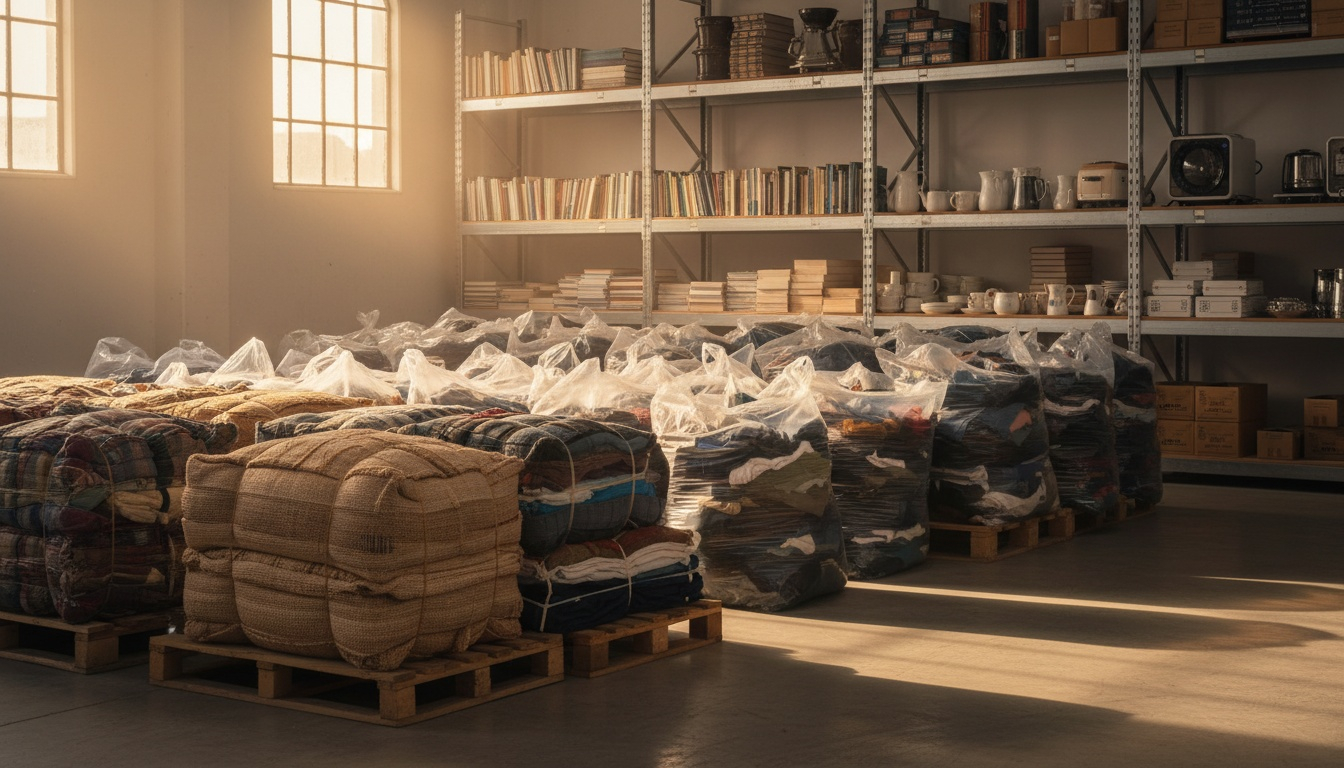
For those entrenched in the wholesale trade of second-hand clothing, understanding the nuances of UK pricing can be the key to maximising your business potential. As a supplier with over 15 years of experience, we've witnessed the evolution of this dynamic market and have honed our strategies to ensure our European partners benefit from competitive pricing and top-quality stock. Whether you're sourcing bulk lots or specific categories like bric-a-brac and soft toys, knowing the ins and outs of pricing structures, bale weights, and quality assessments is crucial for making informed purchasing decisions.
Table of Contents
- Understanding Wholesale Pricing Structures
- Bale Weight and Its Impact on Cost
- Minimum Order Quantities and Their Importance
- Assessing Stock Quality
- The Role of Bric-a-Brac and Soft Toys
- Logistics and Distribution Considerations
Key Takeaways
| Aspect | Details |
|---|---|
| Pricing Structures | Varies by product type and quality |
| Bale Weight | Influences shipping costs and pricing |
| Minimum Order Quantities (MOQs) | Ensures cost efficiency |
| Stock Quality | Grades determine retail viability |
Understanding Wholesale Pricing Structures
In the realm of second hand clothes wholesale in the UK, pricing structures are determined by a variety of factors including the type of clothing, its condition, and market demand. Unlike retail pricing, wholesale prices must account for bulk purchase efficiencies and the potential for resale margins. Prices are often set per kilogram, with premium items fetching higher prices due to their demand or condition. It's critical for purchasers to understand the pricing tiers and how they relate to the quality grades of the clothing.
Quality grades can significantly influence pricing. For instance, cream or A-grade clothing, which is in excellent condition, will command a higher price point than B-grade items, which may require some attention but are still viable for resale. Understanding these distinctions enables buyers to make strategic purchasing decisions that align with their market needs and pricing strategies.
Pro tip: Always inquire about the grading system used by your supplier to ensure you are comparing like-for-like when evaluating prices across different wholesalers.Bale Weight and Its Impact on Cost
Bale weight is a critical factor in the pricing of second hand clothes. It not only affects the overall cost but also impacts shipping expenses, which can vary significantly across different European regions. A standard bale might weigh anywhere from 45 to 55 kilograms, but this can vary based on the supplier and the type of clothing. Understanding the precise weight is essential for calculating transportation costs and ensuring that the logistics align with budgetary constraints.
Lighter bales might be more manageable and less costly to ship, but they could also contain fewer items, affecting the potential return on investment. On the other hand, heavier bales might offer better value per kilogram but could incur higher shipping costs, especially if transporting over long distances.
Buyer's note: Always verify the bale weights prior to purchase and consider the implications for your shipping logistics and overall cost efficiency.Minimum Order Quantities and Their Importance
Minimum Order Quantities (MOQs) are a standard component of wholesale transactions, particularly in the second-hand clothing industry. MOQs ensure that suppliers can cover their operational costs and maintain inventory turnover. For buyers, meeting these minimums can be a way to secure better pricing and establish a reliable supply chain. However, it's essential to balance these requirements with your storage capacity and market demand.
Negotiating MOQs can sometimes lead to more favourable terms, especially for repeat buyers or those willing to commit to long-term agreements. Understanding how MOQs align with your purchasing strategy can help you optimise your inventory levels and minimise excess stock.
Industry insight: If you're new to the market, start with smaller orders to test demand, scaling up as your sales data supports larger quantities.Assessing Stock Quality
Stock quality is a paramount consideration in the second-hand clothing industry. Each piece is unique, and the overall quality can vary widely within a single bale. Quality assessments typically range from cream, A-grade to C-grade items, with cream representing near-new conditions and C-grade requiring more repair or cleaning.
Establishing a robust quality control process is vital for ensuring that the stock you receive meets your expectations and retail standards. This might involve working closely with suppliers to clarify grading criteria or visiting warehouses to conduct inspections firsthand.
Quick win: Develop a checklist for quality assessment that your team can use consistently to evaluate incoming stock, ensuring uniformity in your quality checks.The Role of Bric-a-Brac and Soft Toys
While clothing might take centre stage in second-hand wholesale, bric-a-brac and soft toys offer additional revenue streams that shouldn't be overlooked. These items can complement clothing sales and attract a broader customer base. The key to successfully integrating these products into your offerings is understanding their unique pricing and demand dynamics.
Bric-a-brac often includes household items that can vary widely in price and quality. Meanwhile, soft toys are generally sold in bulk lots, with pricing based on factors like brand, condition, and rarity. Incorporating these products can diversify your stock and provide additional selling points for your business.
Watch out: Ensure that any non-clothing items you stock meet safety standards required in your market to avoid potential liabilities.Logistics and Distribution Considerations
Efficient logistics and distribution are the backbones of any successful wholesale operation, particularly when dealing with second-hand clothing. The location of your supplier's warehouse, such as our facility in West Drayton, Greater London, can impact your shipping timelines and costs. Proximity to major transportation hubs can reduce transit times and expense, making it a crucial factor in your sourcing strategy.
When planning logistics, it's important to account for potential delays, customs clearance (for international partners), and the specific requirements of your delivery destinations. Building a robust logistics network will help ensure timely deliveries and maintain your supply chain's reliability.
Worth knowing: Collaborate with logistics providers who have experience in handling second-hand goods to streamline your distribution process and mitigate potential issues.FAQ
What is the typical MOQ for second-hand clothing wholesale?
The typical MOQ can vary, but it often starts around 100 kilograms. However, this can be negotiable depending on the supplier and your purchasing history.
How can I ensure the quality of the second-hand clothing I purchase?
Request detailed grading information from your supplier and, if possible, conduct inspections of the stock before purchase. Establishing a consistent quality control process is also crucial.
What factors influence the pricing of second-hand clothing bales?
Factors include the quality grade of the clothing, the weight of the bale, and the current market demand for specific items or brands.
Why is bale weight important in wholesale purchases?
Bale weight affects both the transportation costs and the quantity of items you receive, impacting your overall cost and potential profit margins.
For more information on our product offerings, visit our Original Collection and learn about our diverse stock options. For any inquiries, feel free to contact us directly.