Cost Breakdown for Second Hand Wholesale Clothes
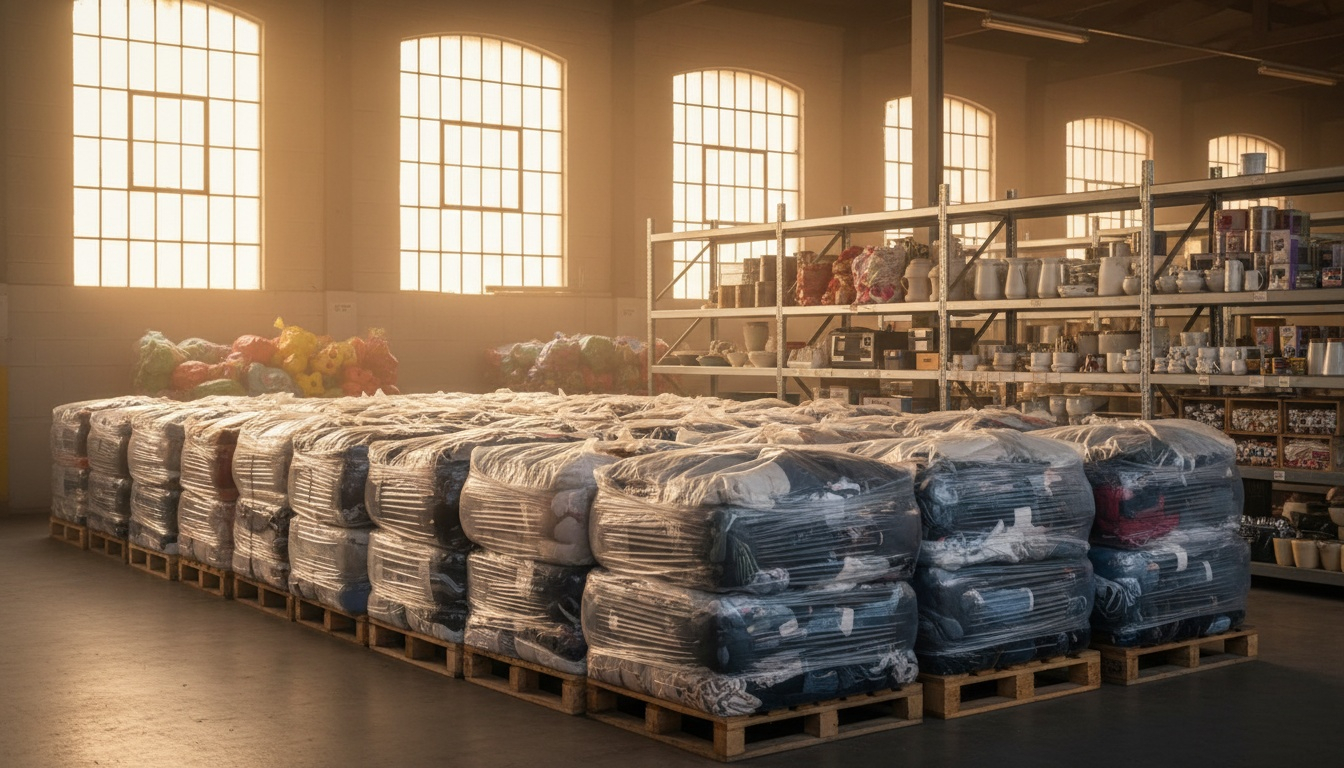
The world of second hand wholesale clothes offers an exciting avenue for B2B buyers looking to diversify their product offerings while maintaining healthy margins. This sector, fuelled by sustainable practices and an ever-growing consumer base, requires a keen understanding of cost structures to maximise profitability. With 15 years of experience, UK Used Clothes stands as a trusted supplier, sourcing quality products from affluent UK communities. Our focus is on wholesale buyers across Europe, providing insights into pricing, sourcing, and quality to better equip you in making informed decisions. Whether your interest lies in clothing, bric-a-brac, or soft toys, understanding the intricacies of wholesale sourcing is paramount. Let’s delve into the essential cost breakdown for second hand wholesale clothes.
Table of Contents
- Understanding Wholesale Sourcing Costs
- Breaking Down Bale Weight and Its Impact
- Container Shipping: Balancing Cost and Volume
- Evaluating Quality Across Bulk Lots
- Leveraging Soft Toys and Bric-a-brac
- Maximising Margins with Strategic Sourcing
Key Takeaways
| Aspect | Key Insight |
|---|---|
| Wholesale Sourcing | Balance between quality and quantity is crucial for profitability. |
| Bale Weight | Heavier bales might not always equate to better value. |
| Shipping | Container optimisation can significantly reduce costs. |
| Quality Assurance | Regular checks ensure consistency across shipments. |
Understanding Wholesale Sourcing Costs
When considering the costs of second hand wholesale clothes, the primary factors include sourcing, transportation, and quality control. Sourcing costs vary depending on the origin of the clothing and the grade of items selected. At UK Used Clothes, we ensure that our products come from stable UK communities, which guarantees consistent quality and reliable supply. The cost of sourcing is influenced by the demand and availability of stock, so staying informed about market trends is crucial.
Transportation costs can add up, especially if you're dealing with large volumes. It’s essential to factor in these expenses when calculating your overall expenditure. Additionally, quality control is a non-negotiable cost that ensures the reliability of your offerings. Balancing these elements is key to maintaining competitiveness in the market.
Pro tip: Regularly review your sourcing strategies to adapt to changes in supply and demand dynamics.
Breaking Down Bale Weight and Its Impact
Bale weight is a significant factor in the second hand clothing trade, affecting both transportation costs and the volume of goods you can handle. Heavier bales might seem like a better deal at first glance, but they don't always translate to higher value. The density of a bale can impact the quality and variety of clothing within, sometimes leading to a mix that might not suit your specific needs.
It's important to understand the composition of your bales. At UK Used Clothes, we ensure transparency in our bale offerings, providing detailed information about their contents and intended use. This clarity helps you make informed decisions about purchasing and logistics, optimising your inventory management.
Buyer's note: Always check the bale composition and weight details before purchase to ensure they align with your business model.
Container Shipping: Balancing Cost and Volume
Shipping containers are the backbone of international trade in second hand wholesale clothes. The cost-effectiveness of container shipping depends heavily on how well you can optimise space. At UK Used Clothes, we advise our clients on best practices for loading and securing shipments to maximise space and minimise cost per unit.
Understanding the dimensions and weight limits of your containers is vital. Properly managed, container shipping can offer significant savings and efficiency improvements. Choosing the right shipping partners and understanding your routes can further influence costs and delivery times.
Industry insight: Collaborate with experienced logistics partners to navigate complex shipping regulations and optimise container loads.
Evaluating Quality Across Bulk Lots
Quality assurance is a critical component in the wholesale trade of second hand clothes. Bulk lots can vary significantly in quality, making it essential to establish a robust quality control process. At UK Used Clothes, we implement stringent checks and grading systems to ensure our wholesale partners receive consistent and high-quality products.
Quality evaluation should include checking for wear and tear, authenticity, and the relevance of items to your target market. Regular audits and feedback loops with suppliers can help maintain standards and address any quality issues promptly.
Quick win: Implement a regular quality audit system to catch potential issues early and maintain product standards.
Leveraging Soft Toys and Bric-a-brac
In addition to clothing, diversifying your offerings with soft toys and bric-a-brac can enhance your product range and appeal to a broader market. These items often have different sourcing and quality requirements, but they can be equally lucrative when well-managed. At UK Used Clothes, we offer a variety of soft toys and bric-a-brac to complement your inventory.
The key to success in these categories is understanding market demand and ensuring variety in your selections. High-quality toys and unique bric-a-brac items can set your offerings apart from competitors, providing additional revenue streams.
Watch out: Keep an eye on seasonal trends and adjust your stock accordingly to meet fluctuating demands.
Maximising Margins with Strategic Sourcing
Maximising margins in the second hand wholesale sector involves strategic sourcing and efficient operations. By building strong relationships with suppliers and optimising your supply chain, you can reduce costs and enhance profitability. UK Used Clothes focuses on delivering value through reliable sourcing and competitive pricing strategies.
It's essential to continuously evaluate your sourcing channels and explore new opportunities that align with your business goals. Leveraging technology and data analytics can offer insights into market trends, helping you make informed decisions that boost your bottom line.
Worth knowing: Explore partnerships with suppliers who offer flexible terms and superior service to enhance your competitive edge.
FAQ
What are the main cost components in second hand wholesale clothes?
The main cost components include sourcing, transportation, quality control, and logistics. Each factor plays a critical role in determining the overall profitability of your operations.
How can I ensure the quality of second hand clothes?
Implementing a robust quality control system with regular checks and audits can help ensure the consistency and reliability of your products.
What should I consider when choosing a shipping partner?
Key considerations include their experience with second hand goods, shipping routes, cost efficiency, and ability to handle large volumes efficiently.
Why is bale weight important in wholesale trade?
Bale weight influences transportation costs and the volume of goods you can handle. Understanding the composition of your bales helps in managing inventory effectively.