Inspecting used shoes by hand: a routine for wholesale buyers
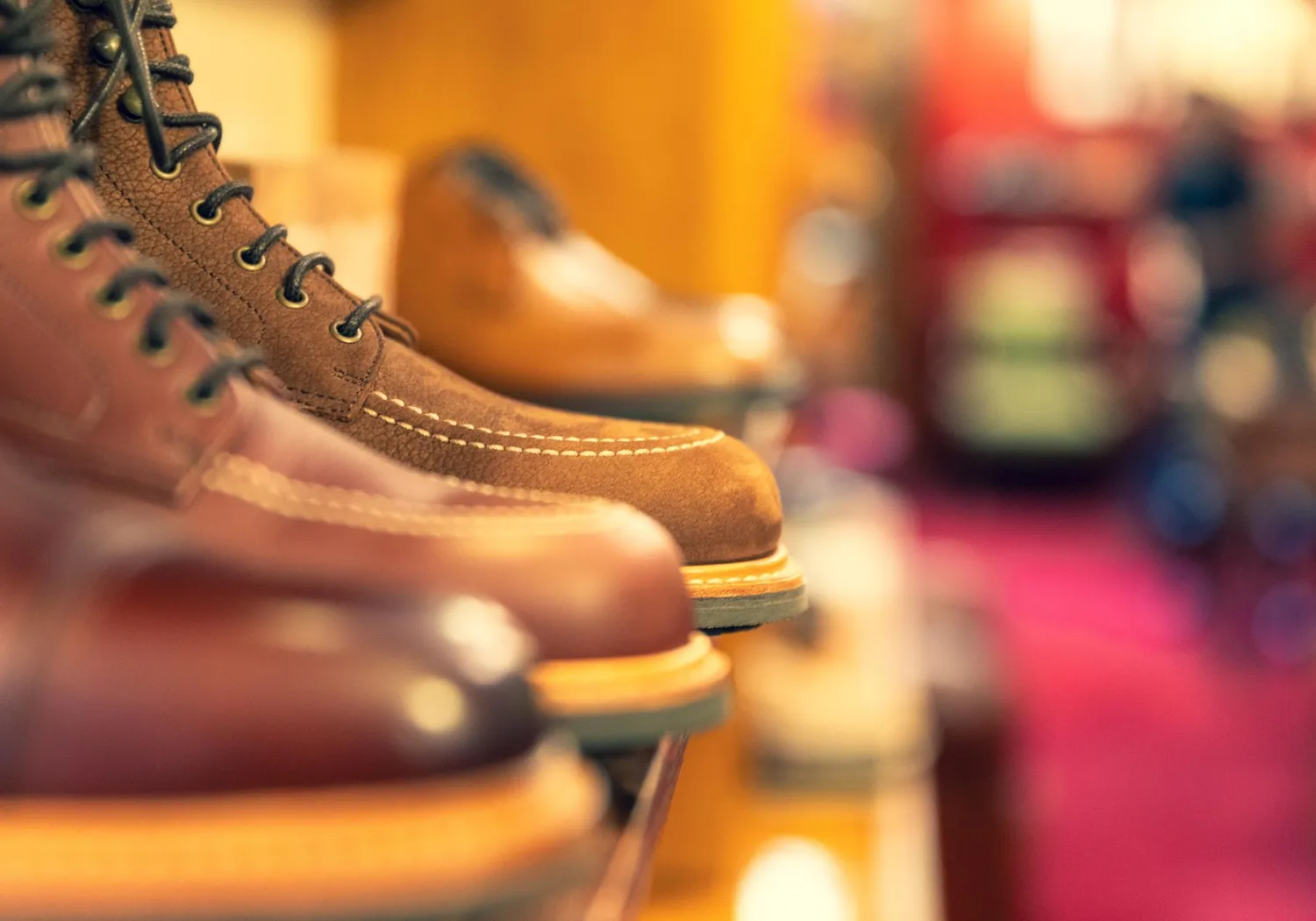
How to check second hand shoes: handle them in the same order every time, pair first, then sole, upper, inside, fastenings and size. Set your own pass mark before you order, and judge a lot of used shoes wholesale by the share of pairs that pass. Used shoe lots from the UK usually come in mixed brands, seasons and sizes, so ask for a video and run the same routine on what you see.
Step one: pairs and matching
A shoe without its partner has almost no resale value. Before you look at any condition, count how many shoes in your sample are singles and how many are pairs.
A pair has to match in three ways. It must be the same model, so a black trainer and a black trainer from a different line do not count. It must be the same size, which sounds obvious but fails more often than you would think when bags are packed fast. And it must be one left and one right, since two left shoes occasionally travel together.
Lay the sample out on a table and put matching pairs side by side. What is left in the middle are the singles. A few are normal in any used lot, because shoes get separated in collection and in handling. A large pile of singles means you are paying per kg for weight you cannot sell. The cost shows up in a simple form: the price per kg you paid, divided by the share of the lot that exists as pairs, is the true price of the pairs.
A made-up example, not our prices: if you pay 0.60 per kg and only four fifths of the weight is in complete pairs, the pairs cost you 0.75 per kg before any other loss. Swap in your own figures, and ask the supplier how pairs are kept together, tied, packed in a box or loose in a bag.
Step two: soles and wear patterns
Turn the shoe over. The sole tells you more about the shoe than any other part, and it is the part that cannot be repaired cheaply.
Look at the heel first. Most people wear the outer edge of the heel, so a slanted heel is nothing to worry about. Reject the pair when the heel is worn down to the midsole or through to the next layer. Then check the tread across the ball of the foot. If the pattern is gone and the sole is smooth, the shoe will slip and the customer will notice.
Flex the shoe by hand. A sole that cracks, splits across the middle or comes away from the upper at the toe is finished. Check where the sole meets the upper all round; a small gap at the front is a common failure and often fails again after regluing.
Press on the midsole of older sports shoes and trainers. Some foam and polyurethane soles break down with age even when the shoe has barely been worn, and the sole crumbles or turns sticky when bent. Shoes that sat in a cupboard for years can fail this way. If one shoe in a sample does it, test others of the same type before you assume the rest are fine.
Even, shallow wear passes. Deep or one-sided wear, or wear combined with cracks, is the reason to reject. When in doubt, ask whether you would be happy to wear that shoe for a month.
Step three: uppers and seams
The upper is the part customers see first, so it is where cosmetic problems cost you most. Look at the shoe from the front, the side and the back.
On leather and imitation leather, check the flex line across the toe. Fine creases are part of wear; deep cracks, flaking or peeling coating mean the surface is ending its life and will look worse after cleaning. Coated and synthetic leather peels first at the edges and around the heel tab, and the peeling only spreads.
On fabric and mesh, look for holes, thin patches and fraying at the toe and the heel collar. Stains matter less than structure: a mark that comes out with soap is acceptable, a hole is not.
Inspect all seams and stitching, especially at the sides near the toe, where the shoe bends, and at the back. A seam that has begun to open will continue to open once a customer walks in the shoe. Check straps on sandals and slip-ons at the point they join the shoe, as they carry most of the load.
Scuffs clean off. Split soles, open seams and holes do not, so look for those first and leave the cosmetic faults until you have cleaned a pair.
Step four: insoles, linings and smell
Pick up the shoe and smell it. Smell each shoe first; it is the quickest test in the routine. A faint smell of wear does not matter, but a strong sour, damp or mouldy smell does not leave easily and customers react to it at once, so reject it.
Then look inside. Lift the insole if it comes out. The imprint of the previous wearer's foot is acceptable, but a footbed worn through or split is not. Look at the lining at the heel, where it rubs first. Torn lining at the back makes a pair uncomfortable even when the outside looks fine, and it is common in older pairs.
Look for damp patches, white mould on the lining or the tongue, and stains that look like they came from water. Shoes that were stored in a wet place can develop all three. If you see mould in one shoe, check the others in the same bag, because the problem can spread inside a bag.
If you plan to sell shoes with new insoles, the smell of the old ones matters less, but the lining still has to be intact. Plan your cleaning accordingly; a later section covers it.
Step five: fastenings and moving parts
Try everything that opens, closes or adjusts. Run each zip up and down a few times to check it moves smoothly and the teeth are intact. Press the hook-and-loop strap closed and open and check it still grips. Look at lace holes and metal eyelets for rust or bent edges, and check that laces are present, in good condition and matching if the shoe came with its own set.
Buckles should close and stay closed. Elastic gussets on slip-ons should have lost none of their stretch, since an overstretched panel makes a shoe loose and shapeless. For boots, zips are the part that fails most often, and a boot with a broken zip is a repair job nobody wants to do in volume.
Laces and insoles can be replaced cheaply. Zips and buckles can be replaced, but it costs time. Make a note in your sample of how many pairs fail only on a replaceable part, and decide whether you will spend the time.
Step six: sizes and mix
Check that the size mark is readable inside the tongue or on the label. A faded mark makes a shoe hard to sell, as customers cannot find their size, and you will spend time re-measuring.
Look at the spread of sizes in the sample. Used lots mix men's, women's and children's shoes, and the shares differ with the source. Check the spread against your own customers: a shop selling mostly to women needs women's sizes in the middle of the range. The smallest and largest sizes sell slowly in many markets and often need a discount.
Sizes may be marked in UK, EU or US systems, sometimes more than one. Do not assume. A UK 7 and a US 7 are different shoes, and a mismatch in your own stock labels will bring returns. Pick one system for your shop and relabel accordingly.
Check for odd-sized pairs as well, which is rare but possible: two shoes of the same model and different sizes, usually after a mix-up in the home of the previous owner. Put them with the singles.
Checking by type: boots, trainers, slippers and trekking shoes
The routine above applies to all footwear. Each type fails in its own favourite places, so adjust your attention.
Boots
Boots are bought for a season, so check what the customer will check on a cold day. Look at the lining for warmth and wear, the zip, the grip of the sole, and the leg of the boot, where leather can crack at the ankle. Waterproof coatings wear off; test with a drop of water on a hidden spot if the boot is sold as waterproof. If your shop will carry winter stock, see the used winter boots page for what that line covers, and plan your purchase for the weeks before the cold arrives.
Sneakers and trainers
Trainers show wear more openly than any other type: creased uppers, flattened midsoles, dirty white rubber. Check the midsole for crumbling, compare the heel wear on both shoes, and look for dirt that sits in the mesh. A pair that cleans well can look much younger. The mix sneakers page describes that line. Brand knowledge helps, since a recognisable model in decent condition is easier to sell, but condition comes first.
Slippers and summer footwear
Summer slippers, sandals and flip-flops live or die on the footbed. A footbed marked deep by the previous wearer's foot, or one that is cracked, will not recover. Look at the straps where they join the sole, and at any cork or foam layer that has started to split. Hygiene matters more here because the foot touches the surface directly, so reject anything that looks greasy or smells. The summer slippers page gives the detail for the line, and the season decides when to buy.
Trekking shoes
Walking and trekking shoes are built to last, so judge them on structure. Look at the tread blocks on the sole for wear, check that the sole is still bonded to the upper at the toe and heel, look at the lace hooks and eyelets, and check any membrane lining for tears by looking inside. Stiff and cracked leather is a sign of neglect. The trekking shoes page lists the line. Because these shoes are built to last, structure matters more than looks.
Lighter everyday footwear for the warmer months is covered by the spring adult shoes page, and the whole range sits in the shoe catalogue. If you also buy clothing in the same order, the routine for bags is in the article on inspecting a wholesale order.
Cleaning, repairing and presenting what passes
Passing the routine only means a pair is worth cleaning.
Start with a dry brush to remove dust and dried mud from the sole, seams and tongue. Wipe the uppers with a damp cloth and a mild soap solution, testing a hidden spot first, since leather, suede and coated fabric react differently. Leather benefits from a thin layer of polish or cream after it dries; suede needs a suede brush. Do not machine wash leather or put shoes on a radiator, because heat shrinks and cracks the material. Dry them at room temperature with paper inside.
For smell, air the shoes for a day or two, then use a deodorising spray or powder. A disinfectant spray designed for footwear is a reasonable step for anything that touches the foot directly, especially sandals and slippers. Replace insoles that are worn or smelly, as new ones lift the whole pair. Fresh laces make a surprising difference.
Presentation then matters as much as cleaning. Keep pairs together with a clip, a band or a small tag, lined up toe to toe so that customers do not have to hunt. Put the size on a sticker or tag on both shoes of the pair. Group by size within the type and display by season. A clean pair on a shelf with the size visible sells faster than a better pair in a pile.
Put a time on all of this before you buy. Count how long a typical pair takes to clean and prepare, multiply it by the number of pairs in your first order and decide who will do the work. If the number scares you, order a smaller batch.
What to ask a supplier before a used shoes wholesale order
You can answer most of the questions above from a video or a sample, but only if you know what to look for. Put these to the supplier in writing.
- How are shoes kept together: tied, boxed or loose in the bag?
- What is in the mix by type, and which season does the lot suit?
- What share is men's, women's and children's, and which sizes does the lot cover?
- What is removed before packing, such as torn or damaged pairs, and what is not?
- How heavy is each bag or box, and how is the weight established?
- Can I see a video in which shoes are taken from several bags and checked pair by pair?
Ask for a video of the lot and pay attention to the soles in the footage as well as the uppers. Footage taken only from above does not show the soles, so ask for a few pairs to be turned over and a thumb pressed into the sole.
Second hand shoes wholesale can share a truck with clothing, toys or bric-a-brac, so shoes need not be a separate order, and the supplier can say which combinations it offers. Check used footwear import rules with your customs agent before ordering. The article on choosing a wholesale supplier covers the wider questions about a new seller.
Questions about checking used shoes
How many single shoes in a lot are acceptable?
A few are normal and you should expect them. What matters is the share relative to the whole sample: if singles are a noticeable part of the weight you pay for, the real price of the pairs is higher than the quote suggests. Count them in the first sample and put the figure in your notes.
Can I sell shoes with worn soles?
Slightly worn soles with tread left suit a discount shelf or a market. Soles worn smooth, cracked or coming away from the upper should go to recycling, since they come back as complaints.
Do children's shoes need different checks?
The routine is the same, with extra attention to fastenings and hygiene. Children outgrow shoes before they wear them out, so soles are often in better shape than in adult pairs, but straps, hook-and-loop closures and insoles take the knocks. Parents also look at the inside of a shoe more closely, so a clean lining sells the pair.
Can I hold shoes over until the next season?
You can, if the storage is right. Keep them dry and ventilated, not sealed in plastic, and check a few pairs every few weeks for damp and mould. Stock that sat in a damp room over winter can lose its value in a single season, so only hold what you have room to look after.
How do I decide which shoe line to try first?
Start with the type that suits the season you are buying for and the customers you already have. Boots, trainers, slippers and trekking shoes each need slightly different checks, which is why the routine above treats them separately. Open the page for that line in the full shoe range and note the questions it raises before you contact a supplier.